

When the national curriculum changed, Romanby Primary School faced a familiar challenge we see in many schools: how to create a structured, high-quality curriculum without adding unnecessary workload for teachers.
And, like many, Romanby decided to adopt the Cornerstones Curriculum instead of starting from scratch. Allowing them to have the breathing space to develop their perfect curriculum within our digital curriculum platform, Meastro.
In this case study, discover how Romanby Primary used Maestro’s extensive resources, assessment tools and adaptable project structure to refine their curriculum, support teachers and deliver engaging learning experiences for children, all while still tailoring the content to their local context and the needs of their children.
Where were you as a school with your curriculum journey before implementing Cornerstones?
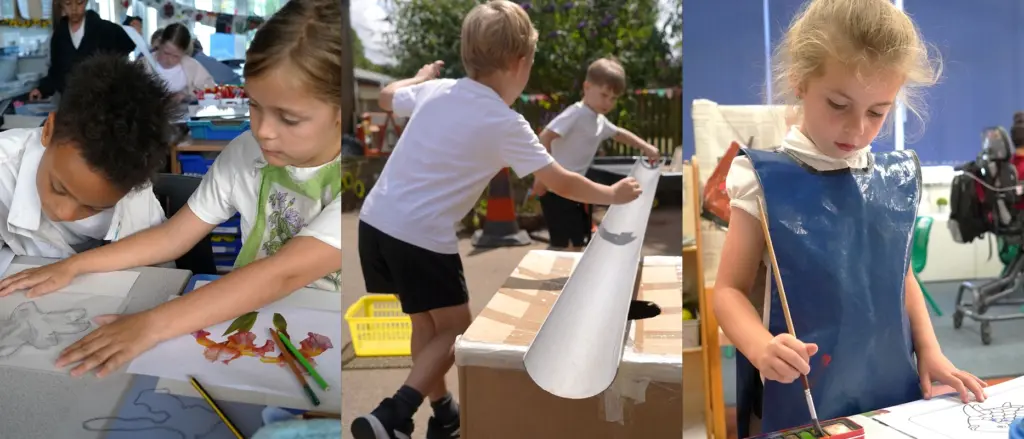
We had written our own curriculum based on projects before 2014. When the curriculum changed, rather than investing time and effort in creating it again, we looked at a range of available commercial options to give us a better starting point. We really liked the structure of the Cornerstones materials, which is why we opted for it. In those days, the projects were all in booklet format with some resources, and a few staff found this limiting as they didn’t feel there was enough to support their teaching. We adopted the Maestro platform as it was introduced and have continued to use it as it has evolved. Staff now say that there are often too many resources for the time we have available. It has meant that we have been able to offer the children a higher standard of a curriculum than we might have developed, e.g., we would never have considered the range of artists the children learn about in Art.
‘We really like the range of content in Maestro. Staff like it and the children like it.’
James Foxwell, Headteacher
How is your curriculum developing now?
It has continued to evolve. We moved to the then sequenced model and have adapted the projects to fit the needs of our children and locality. As staff revisited the projects, they refined their plans based on what had worked well previously, alongside the changing needs of the children. We have moved to using the in-built assessment system and summative tests rather than a separate tracking system and tests we previously used. This has meant teaching is more joined up. We have examined some of the platform’s features and evaluated whether they can enhance our learning.
Do you feel that you have benefited from the ongoing support that Cornerstones has to offer?
The support we have received from Cornerstones has been great. When we have contacted them about how to do something, they have been swift to provide support. We have also asked whether specific features of the Maestro platform will be introduced, and they have listened to our comments and made platform updates in response to feedback.
When it comes to ‘localising’ your curriculum, how do you do this?
All staff are involved in making the curriculum relevant to our context. We have used local visits to make the learning come alive, but we have also tried new ideas, such as using VR to visit Everest or video links to a scientist working at the British Antarctic Survey base in South Georgia.
What is your favourite feature of Maestro and why?
We really like the range of content in Maestro. Staff like it, and the children love it.
What would be your top tips for other schools that are considering amending their curriculum?
Look at what is available on the market and consider your capacity to design your curriculum. Maestro gave us a high-quality curriculum that we could tailor to the needs of our children; it reduced our workload and excited everyone with the learning opportunities available.
Summary
Before implementing Cornerstones, Romanby Primary had developed its own project-based curriculum but sought a more structured and comprehensive approach when the national curriculum changed in 2014. They opted for Cornerstones due to its high-quality lesson plans and resources. They later transitioned to the Maestro platform, which provided an extensive range of teaching materials and assessment tools. Over time, staff have refined their curriculum to better meet the needs of their children and local community, integrating local visits and innovative technologies such as VR and video conferencing with experts.
The school has benefited from ongoing support from Cornerstones, with timely assistance and platform updates based on their feedback. While challenges such as time constraints and curriculum breadth have arisen, the flexibility of Maestro has helped staff tailor lessons effectively. Romanby Primary values the extensive content available within Maestro and advises other schools to consider curriculum quality and workload when designing their approach. Their experience highlights the importance of balancing structured planning with adaptability to create an enriching educational experience for children.
We would like to thank all the children and teaching staff at Romanby Primary School for inviting us to visit them and to offer an insight into their experience with us. They have created some amazing work!