
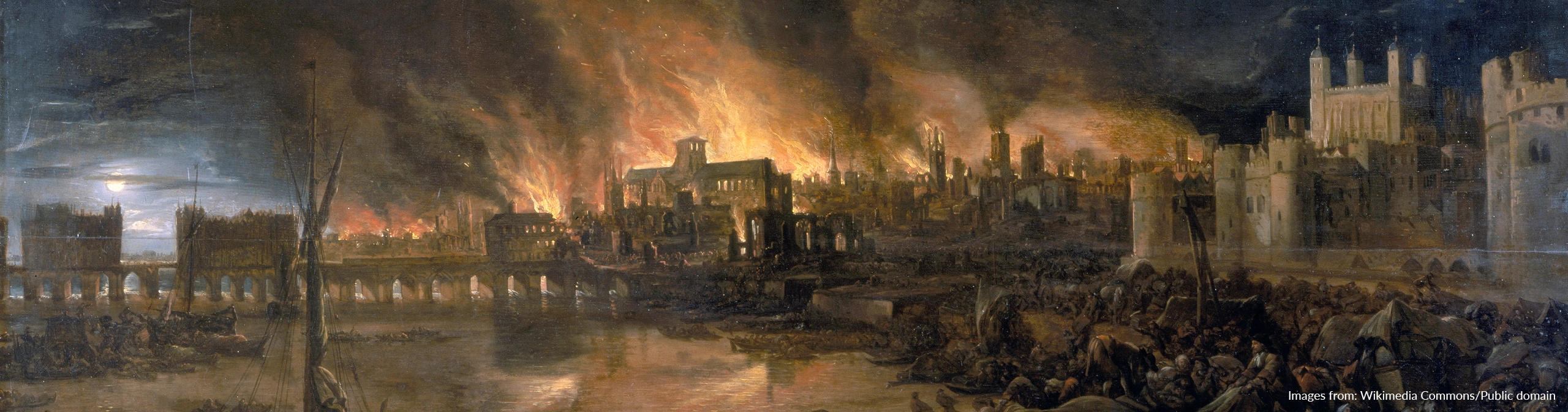
The Great Fire of London (KS1)
Teaching the Great Fire of London at KS1? It’s the event the National Curriculum itself names as an example, and it gives young children their first real sense that the past was different from now. Here’s what the curriculum expects, and the lessons and resources to help you teach it.
What children learn about the Great Fire of London at KS1
What the national curriculum expects
The KS1 history curriculum asks pupils to be taught about events beyond living memory that are significant nationally or globally, and the Great Fire of London is one of the examples the curriculum gives. Pupils should also learn about the lives of significant individuals in the past, which is where a figure such as Samuel Pepys fits. At KS1 the focus is on developing an awareness of the past, using everyday historical vocabulary, asking and answering questions, and understanding some of the ways we find out about the past.
Key knowledge and concepts
Within this topic, children build knowledge across what happened, who was affected, and how we know:
London in 1666
What the city was like before the fire
How the fire started
Pudding Lane, and the night the fire began
How the fire spread
Why it spread so quickly, and how long it burned
People affected
What the fire meant for the people who lived through it
Samuel Pepys
The diarist whose account tells us so much about the fire
Sources and evidence
How we know what happened, from diaries to pictures
Fighting the fire
How people tried to stop it, and why it was so difficult
Rebuilding London
How the city changed, and what it led to in fire safety
Where this topic sits within KS1
The National Curriculum doesn’t set a year group, but the Great Fire of London is usually taught in Year 1 or Year 2 as one of the significant events beyond living memory. It often pairs with a local history study or a unit on significant people.
How to access this topic
The Great Fire of London doesn’t sit on its own in the curriculum. The Cornerstones history curriculum is fully sequenced from EYFS through Year 1 to Year 6, so you can see what comes before, what follows and how the whole picture fits together. We’ve done the thinking, so your planning time goes into teaching, not sequencing.
Full curriculum
Subject curriculum
Quick Teach Individual lessons and resources for supplementing what you already teach.

Ready to bring the wider curriculum to life?
See how the full Cornerstones History Curriculum sequences topics like this one across every year group.