
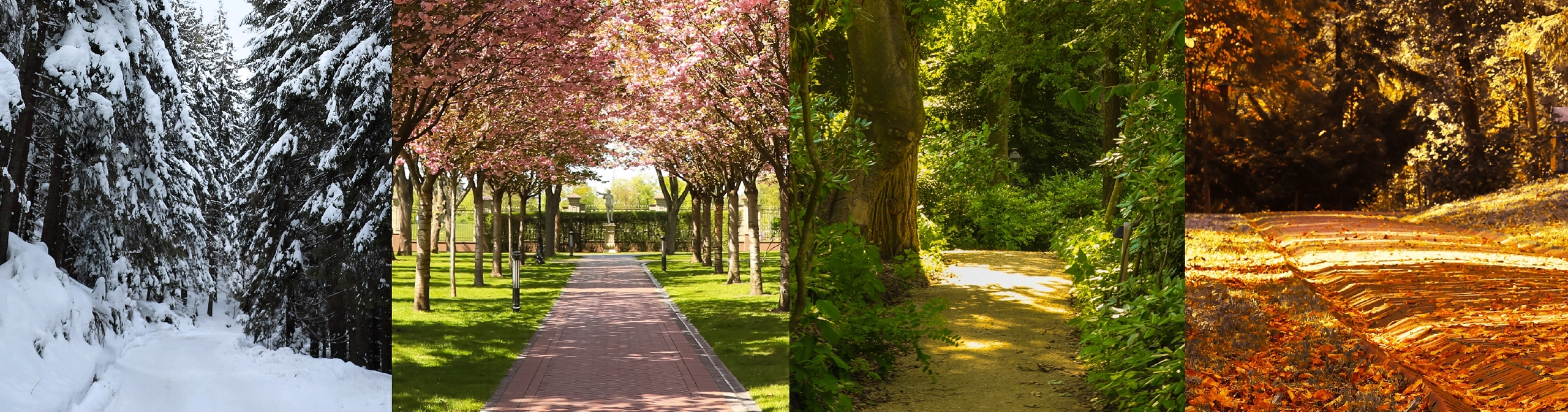
What children learn about seasons at KS1
What the national curriculum expects
Seasonal changes is taught in Year 1. Pupils should observe changes across the four seasons, and observe and describe the weather associated with the seasons and how day length varies. It’s a strand designed to be revisited across the whole year rather than taught in a single block, since children need to see the changes happen.
Key knowledge and concepts
Within this topic, children build knowledge across how the year changes and how to record it:
The four seasons
What changes between spring, summer, autumn and winter
Seasonal weather
The weather we associate with each season
Day length
How daylight hours change across the year
Measuring weather
Recording temperature, rainfall and wind over time
Weather forecasting
How weather is predicted, and the symbols used
Seasonal changes in trees
How deciduous and evergreen trees respond differently
Seasonal changes in animals
Migration, hibernation and other seasonal behaviours
Observing over time
Collecting and comparing data across the whole year
Where this topic sits within KS1
Seasonal changes is taught in Year 1, and by design it runs across the full academic year rather than sitting in one block. It builds naturally towards the Year 2 work on habitats and living things, and towards KS2 geography on weather and climate.
How to access this topic
Seasons don’t sit on their own in the curriculum. The Cornerstones science curriculum is fully sequenced from EYFS through Year 1 to Year 6, so you can see what comes before, what follows and how the whole picture fits together. We’ve done the thinking, so your planning time goes into teaching, not sequencing.
Full curriculum
Subject curriculum
Quick Teach Individual lessons and resources for supplementing what you already teach.

Ready to bring the wider curriculum to life?
See how the full Cornerstones Science Curriculum sequences topics like this one across every year group.