
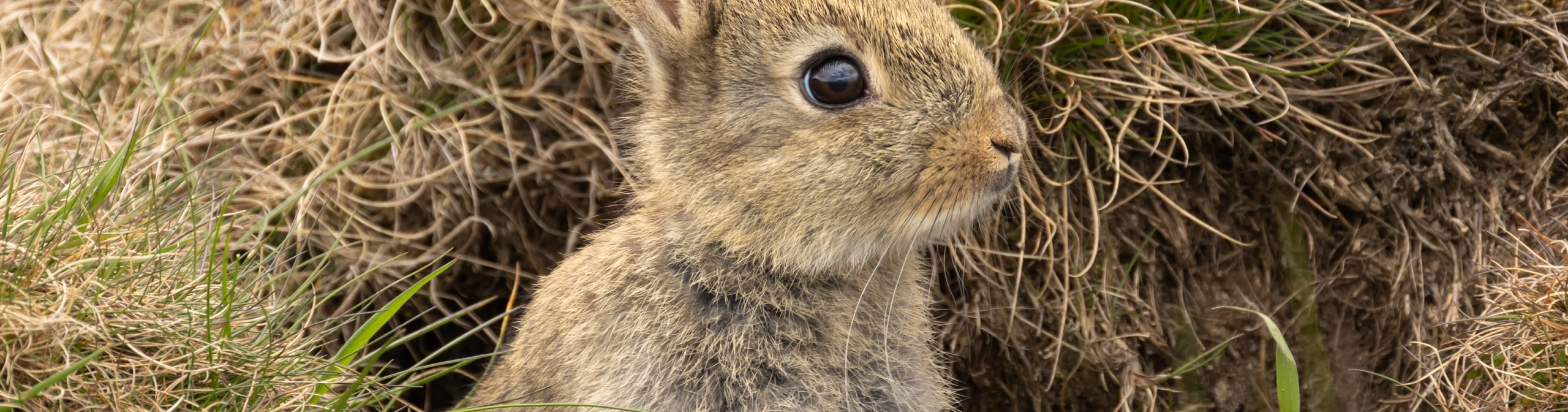
Habitats (KS1)
Habitats is one of the first big ideas children explore in primary science: why living things live where they do, and what they need to survive there. It’s a Year 2 topic that gets children observing, comparing and exploring the world right outside the classroom. Here’s what the curriculum expects, and where to find lessons and resources to teach it.
What children learn about habitats at KS1
What the national curriculum expects
Habitats is taught in Year 2, as part of “Living things and their habitats.” Pupils should explore and compare the differences between things that are living, dead, and things that have never been alive. They should identify that most living things live in habitats to which they are suited, and describe how different habitats provide for the basic needs of different animals and plants and how they depend on each other. They should also identify and name a variety of plants and animals in their habitats, including microhabitats.
Key knowledge and concepts
Within this topic, children build knowledge across what habitats provide and how living things depend on them:
What is a habitat
How habitats provide for the needs of the plants and animals living there
Living, dead and never alive
Telling the three apart, as a foundation for the rest of the topic
Microhabitats
Exploring small habitats, such as under logs or among leaf litter
Minibeasts
Using minibeasts to explore habitats and microhabitats up close
Plants and animals in habitats
Identifying and naming the living things found in different habitats
Comparing habitats
Comparing local habitats with less familiar ones, such as the seashore or rainforest
Depending on each other
How the plants and animals in a habitat rely on one another
Simple food chains
How animals get their food from plants and other animals
Where this topic sits within KS1
Habitats is taught in Year 2, within the KS1 “Living things and their habitats” strand. It lays the groundwork for ideas that return in KS2, including food chains in Year 4 and classification and changing environments later on.
How to access this topic
Habitats don’t sit on their own in the curriculum. The Cornerstones science curriculum is fully sequenced from EYFS through Year 1 to Year 6, so you can see what comes before, what follows and how the whole picture fits together. We’ve done the thinking, so your planning time goes into teaching, not sequencing.
Full curriculum
Subject curriculum
Quick Teach Individual lessons and resources for supplementing what you already teach.

Ready to bring the wider curriculum to life?
See how the full Cornerstones Science Curriculum sequences topics like this one across every year group.