
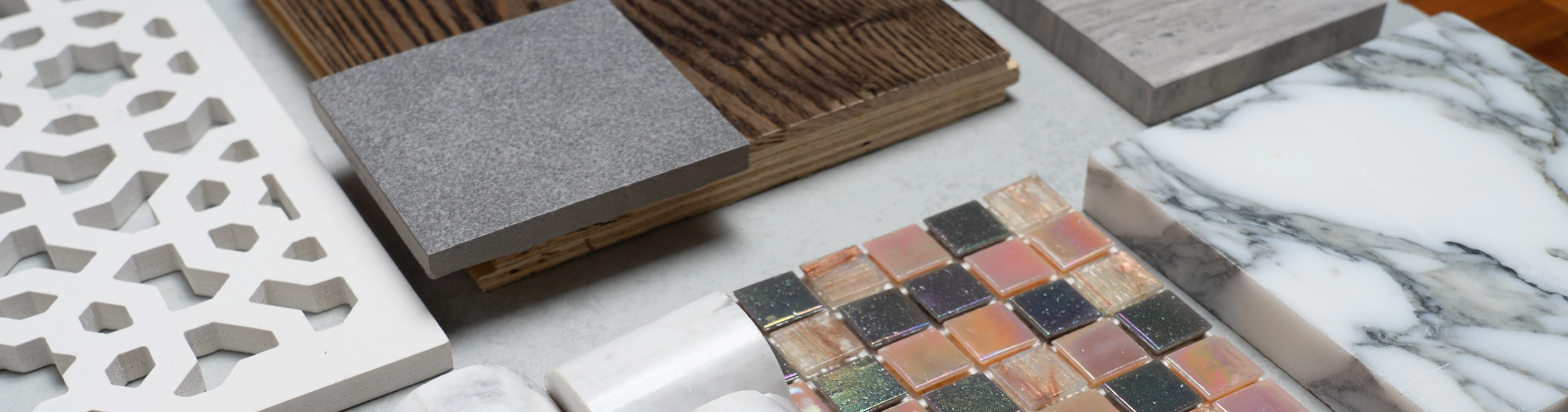
Properties of materials (KS1)
Properties of materials is one of the most tactile topics in KS1 science. Children handle, sort, test and compare real things, and start to notice why a window isn’t made of wood. Here’s what the curriculum expects, and where to find lessons and resources to teach it.
What children learn about the properties of materials at KS1
What the national curriculum expects
Materials appears in both Year 1 and Year 2. Year 1 covers distinguishing between an object and the material it’s made from, identifying and naming everyday materials including wood, plastic, glass, metal, water and rock, describing their simple physical properties, and comparing and grouping them on that basis. Year 2 covers identifying and comparing the suitability of everyday materials for particular uses, and finding out how the shapes of solid objects can be changed by squashing, bending, twisting and stretching.
Key knowledge and concepts
Within this topic, children build knowledge across what things are made of and why:
Objects and materials
Telling the difference between a thing and what it's made from
Naming materials
Wood, plastic, glass, metal, water and rock
Properties of materials
Hardness, flexibility, transparency and more
Grouping materials
Sorting materials by the properties they share
Natural and human-made
Where materials come from, and which ones we make
Linking properties to use
Why particular materials suit particular jobs
Changing shape
Squashing, bending, twisting and stretching
Comparing and testing
Simple fair tests to compare how materials behave
Where this topic sits within KS1
Materials appears in Year 1 as “Everyday materials” and in Year 2 as “Uses of everyday materials.” Year 1 focuses on naming and grouping, and Year 2 on suitability and change. The topic returns in Year 5 as “Properties and changes of materials,” where the science becomes considerably more advanced.
How to access this topic
Properties of materials don’t sit on their own in the curriculum. The Cornerstones science curriculum is fully sequenced from EYFS through Year 1 to Year 6, so you can see what comes before, what follows and how the whole picture fits together. We’ve done the thinking, so your planning time goes into teaching, not sequencing.
Full curriculum
Subject curriculum
Quick Teach Individual lessons and resources for supplementing what you already teach.


Ready to bring the wider curriculum to life?
See how the full Cornerstones Science Curriculum sequences topics like this one across every year group.