
What children learn about significant people at KS1
What the national curriculum expects
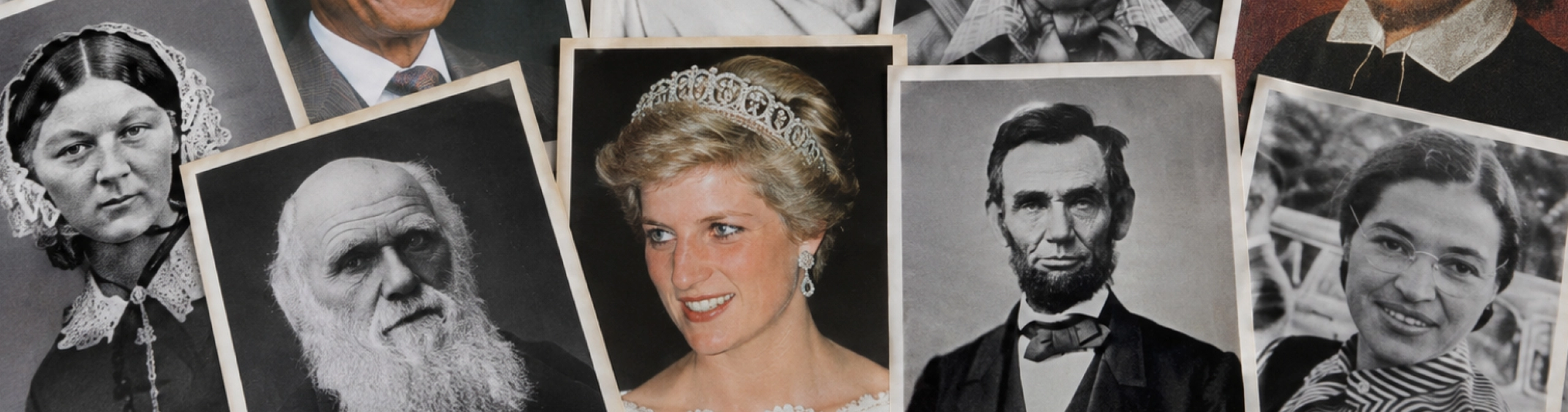
The KS1 history curriculum asks pupils to learn about the lives of significant individuals in the past who have contributed to national and international achievements, with some used to compare aspects of life in different periods. The curriculum offers examples in pairs, such as Elizabeth I and Queen Victoria, Christopher Columbus and Neil Armstrong, William Caxton and Tim Berners-Lee, Pieter Bruegel the Elder and LS Lowry, Rosa Parks and Emily Davison, and Mary Seacole, Florence Nightingale and Edith Cavell. Schools choose who to study, so long as pupils can compare life in different periods.
Key knowledge and concepts
Within this topic, children build knowledge across who these people were and why they still matter:
What makes someone significant
Why some people are remembered and others aren't
Monarchs
Kings and queens, and how their power has changed over time
Explorers
People who travelled into the unknown, and what they found
Nurses and medicine
Figures such as Mary Seacole and Florence Nightingale
Artists and inventors
People whose work changed how we see or do things
Campaigners
People who fought for change, and what they achieved
Comparing people and periods
How life differed between the times these people lived
Sources and evidence
How we know about people who lived long ago
Where this topic sits within KS1
The National Curriculum doesn’t set a year group. Significant people is usually taught across both Year 1 and Year 2, often as a recurring thread rather than a single unit, so children meet several figures across the key stage.
How to access this topic
Significant people don’t sit on their own in the curriculum. The Cornerstones history curriculum is fully sequenced from EYFS through Year 1 to Year 6, so you can see what comes before, what follows and how the whole picture fits together. We’ve done the thinking, so your planning time goes into teaching, not sequencing.
Full curriculum
Subject curriculum
Quick Teach Individual lessons and resources for supplementing what you already teach.
Ready to bring the wider curriculum to life?
See how the full Cornerstones History Curriculum sequences topics like this one across every year group.