
Stone Age to Iron Age (KS2)
Teaching the Stone Age to Iron Age at KS2? It’s where British history begins, and where children first meet the idea that we can know about people who left no written records at all. From Skara Brae to Stonehenge to Iron Age hill forts, here’s what the curriculum expects and the lessons and resources to help you teach it.
What children learn about the Stone Age to Iron Age at KS2
What the national curriculum expects
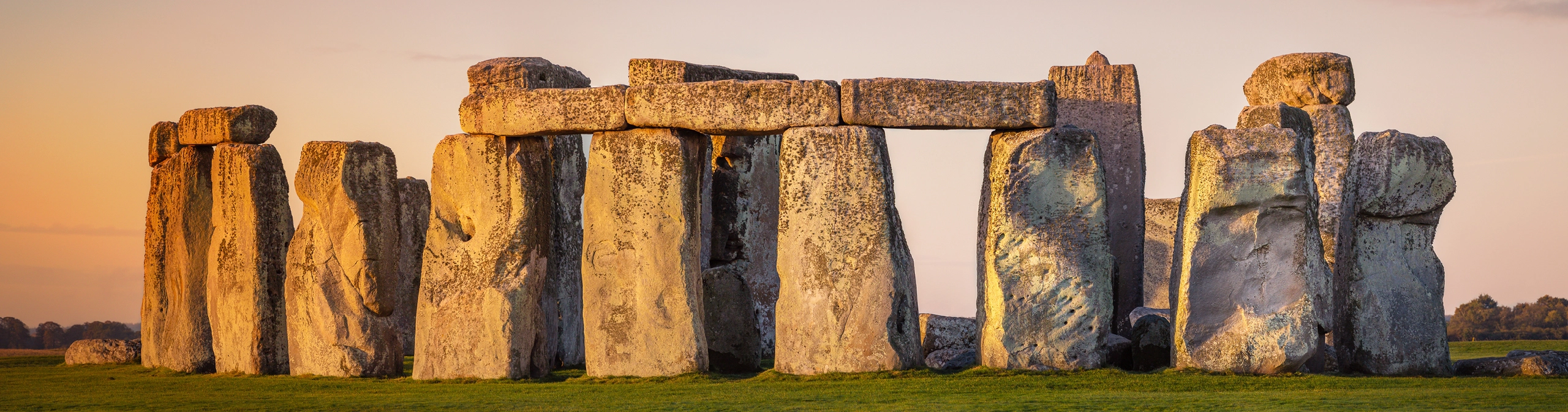
The KS2 history curriculum asks pupils to study changes in Britain from the Stone Age to the Iron Age. The curriculum’s own examples point to late Neolithic hunter-gatherers and early farmers such as Skara Brae, Bronze Age religion, technology and travel such as Stonehenge, and Iron Age hill forts including tribal kingdoms, farming, art and culture.
Key knowledge and concepts
Within this topic, children build knowledge across three ages of prehistoric Britain and how life changed between them:
Prehistory
What prehistory means, and how we know about people who left no writing
The Stone Age
Hunter-gatherers, early farmers, and settlements like Skara Brae
The Bronze Age
New metals, new technology, and monuments such as Stonehenge
The Iron Age
Hill forts, tribal kingdoms, farming, art and culture
Homes and settlements
How and where people lived across the three ages
Tools and weapons
How stonework gave way to metalwork, and what that changed
Religion and beliefs
What prehistoric monuments and burials tell us about belief
Chronology and timelines
Sequencing the three ages, and placing them in the wider story
Where this topic sits within KS2
The National Curriculum doesn’t set a year group for this topic, but it’s the earliest period in the KS2 British history sequence, so it almost always comes first. Many schools teach it in Year 3, before moving on to the Romans.
How to access this topic
Stone Age to Iron Age doesn’t sit on its own in the curriculum. The Cornerstones history curriculum is fully sequenced from EYFS through Year 1 to Year 6, so you can see what comes before, what follows and how the whole picture fits together. We’ve done the thinking, so your planning time goes into teaching, not sequencing.
Full curriculum
Subject curriculum
Quick Teach Individual lessons and resources for supplementing what you already teach.

Ready to bring the wider curriculum to life?
See how the full Cornerstones History Curriculum sequences topics like this one across every year group.