
Ancient Civilisations (KS2)
Teaching ancient civilisations at KS2? Ancient Sumer, Ancient Egypt and the Indus Valley civilisation are packed with the kind of detail that gets a class hooked: the first cities, the first writing, the first laws. Here’s what the curriculum expects, and the lessons and resources to help you teach it.
What children learn about ancient civilisations at KS2
What the national curriculum expects
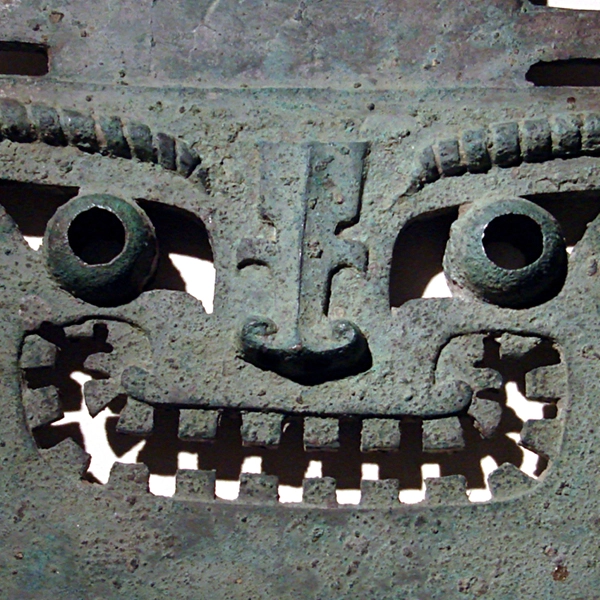
The KS2 history curriculum asks pupils to study the achievements of the earliest civilisations: an overview of where and when the first civilisations appeared, and a depth study of one of them. The four named options are Ancient Sumer, the Indus Valley, Ancient Egypt, and the Shang Dynasty of Ancient China. Schools choose which one to study in depth, and how far beyond the minimum to go, so long as pupils come away understanding what made these societies significant and how they compare across the ancient world.
Key knowledge and concepts
Alongside the depth study, children get an overview of where and when the first civilisations appeared, including Ancient Sumer, Ancient Egypt and the Indus Valley civilisation, and build a set of historical concepts that apply whichever civilisation their school studies in depth:
The civilisations
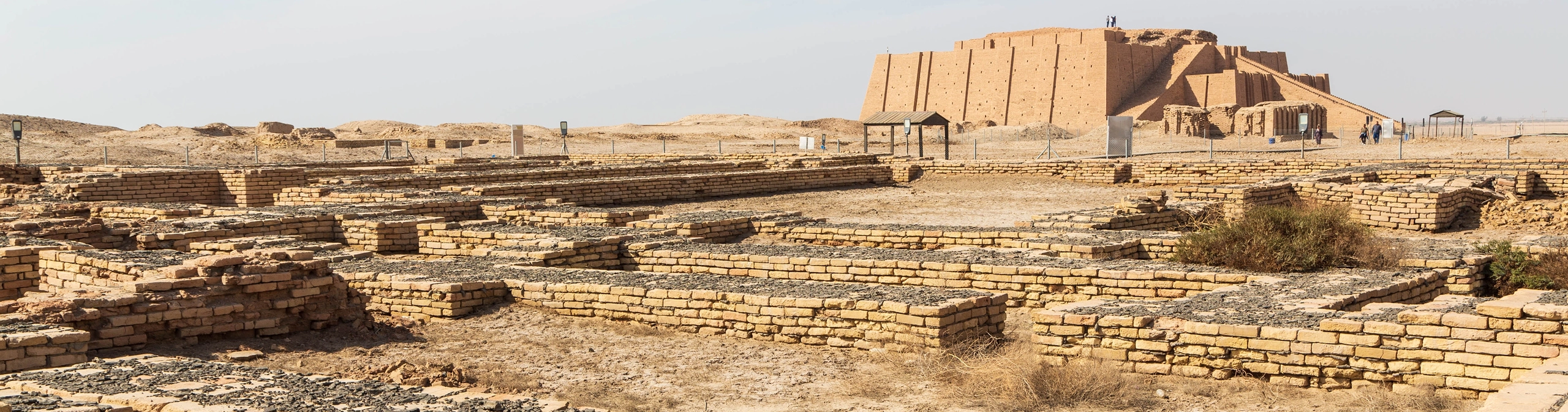
Ancient Sumer
The world's earliest cities, writing (cuneiform) and early law
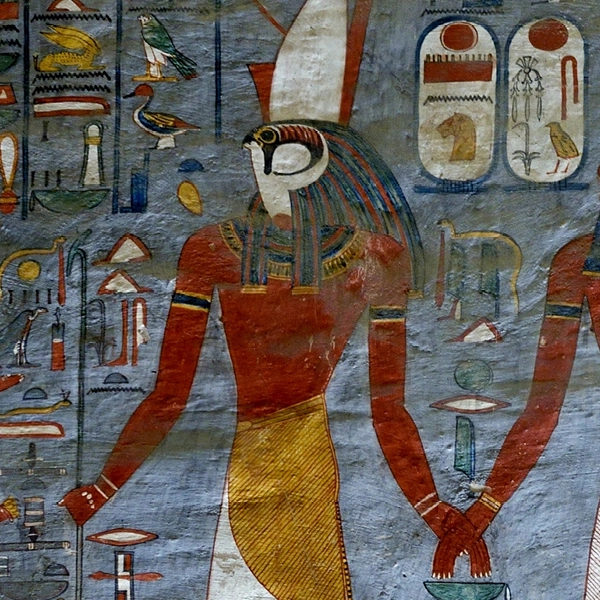
Ancient Egypt
Dynasties, pyramids and everyday life along the Nile
The Indus Valley Civilisation
Early urban planning, trade and its yet-undeciphered script
The concepts
Artefacts
Using physical evidence to understand how people lived
Timelines
Sequencing events within and across civilisations
Inventions and technology
Early innovations that shaped daily life
Everyday life
Homes, food, work and family across each society
Social hierarchy
How power, class and leadership were structured
Beliefs and religion
Gods, temples and rituals, and how they shaped power and daily life
Where this topic sits within KS2
Ancient civilisations is commonly taught in Year 4, sitting within the wider KS2 history sequence alongside Stone Age to Iron Age, the Romans, and the Anglo-Saxons and Vikings. It’s often the point where pupils shift from British history to world history, building the same skills of comparison and significance they’ll use for the rest of KS2.
How to access this topic
Ancient civilisations don’t sit on their own in the curriculum. The Cornerstones history curriculum is fully sequenced from EYFS through Year 1 to Year 6, so you can see what comes before, what follows and how the whole picture fits together. We’ve done the thinking, so your planning time goes into teaching, not sequencing.
Full curriculum
Subject curriculum
Quick Teach Individual lessons and resources for supplementing what you already teach.
Ready to bring the wider curriculum to life?
See how the full Cornerstones History Curriculum sequences topics like this one across every year group.