
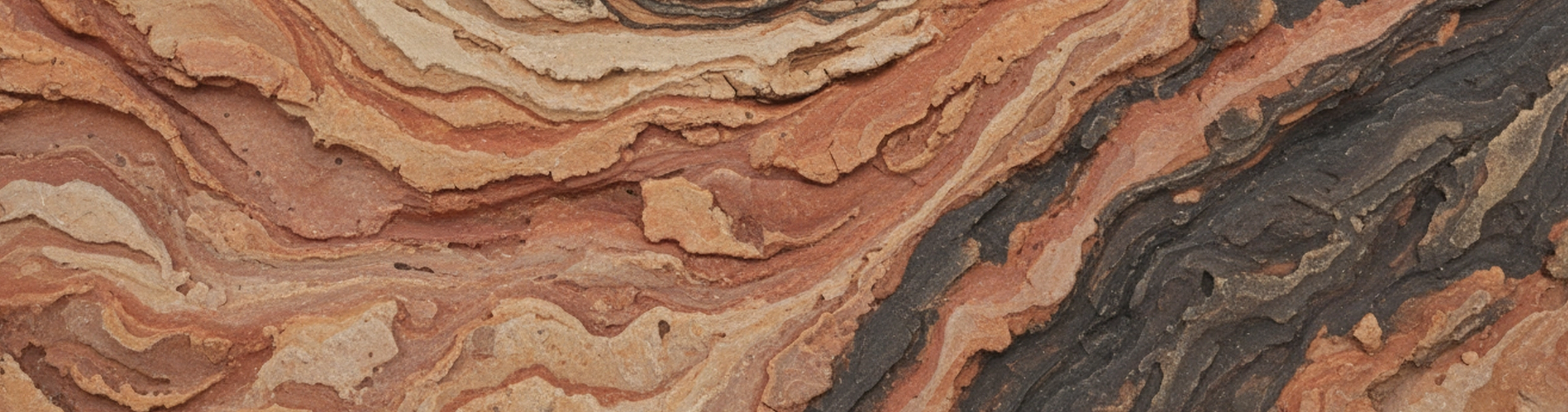
Rocks (Y3)
Rocks takes children beneath the ground, and it’s where primary science meets deep time. From comparing rock types and finding out how fossils form to the story of Mary Anning, volcanoes and earthquakes, here’s what the curriculum expects and where to find lessons and resources to teach it.
What children learn about rocks in Year 3
What the national curriculum expects
Rocks is taught in Year 3 as its own science strand. Pupils should compare and group together different kinds of rocks on the basis of their appearance and simple physical properties, describe in simple terms how fossils are formed when things that have lived are trapped within rock, and recognise that soils are made from rocks and organic matter. Volcanoes and earthquakes aren’t part of the Year 3 science strand, but they are named in the KS2 geography curriculum under physical geography, which is why the two are often taught together.
Key knowledge and concepts
Within this topic, children build knowledge across what rocks are, how they form, and what they hold:
Types of rock
Grouping rocks by appearance and physical properties
Uses of rock
Why different rocks suit different jobs
How fossils form
What happens when living things are trapped in rock
Mary Anning
The fossil hunter whose finds changed what we knew
Soil
How soils are made from rock and organic matter
Layers of the Earth
What lies beneath the surface
Plate tectonics
How the Earth's plates move, and what that causes
Volcanoes and earthquakes
How they happen, and where in the world they occur
Where this topic sits within KS2
Rocks is taught in Year 3, alongside Plants, Animals including humans, Light, and Forces and magnets. It links naturally to the Stone Age to Iron Age history topic taught in the same year, and to the KS2 geography content on volcanoes, earthquakes and physical processes.
How to access this topic
Rocks don’t sit on their own in the curriculum. The Cornerstones science curriculum is fully sequenced from EYFS through Year 1 to Year 6, so you can see what comes before, what follows and how the whole picture fits together. We’ve done the thinking, so your planning time goes into teaching, not sequencing.
Full curriculum
Subject curriculum
Quick Teach Individual lessons and resources for supplementing what you already teach.

Ready to bring the wider curriculum to life?
See how the full Cornerstones Science Curriculum sequences topics like this one across every year group.