
What children learn about the Anglo-Saxons at KS2
What the national curriculum expects
The Anglo-Saxons appear twice in the KS2 history curriculum: first as Britain’s settlement by Anglo-Saxons and Scots after the Roman withdrawal, and later as part of the Viking and Anglo-Saxon struggle for the Kingdom of England, up to the time of Edward the Confessor. The curriculum’s own examples point to invasions, settlements and kingdoms, place names and village life, Anglo-Saxon art and culture, Christian conversion at Canterbury, Iona and Lindisfarne, resistance by Alfred the Great and Athelstan, and Anglo-Saxon laws and justice.
Key knowledge and concepts
Within this topic, children build knowledge across the people, events and beliefs that shaped Anglo-Saxon Britain:
Invasion and settlement
Why the Anglo-Saxons came to Britain after the Romans left, and how they settled
Anglo-Saxon kingdoms
The patchwork of kingdoms that divided early Anglo-Saxon Britain
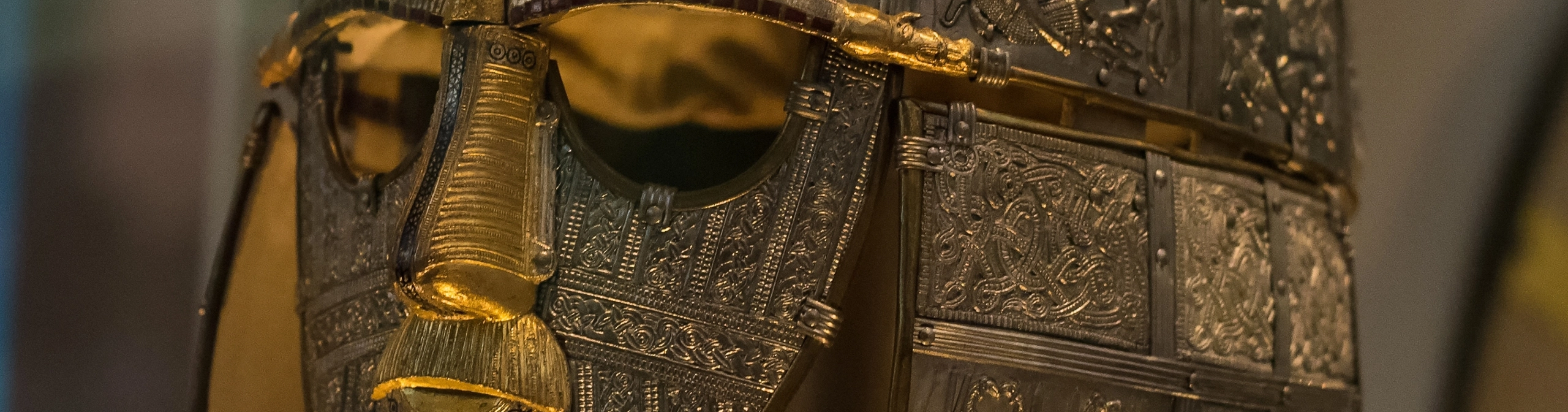
Sutton Hoo
The famous ship burial, and what its treasures reveal about Anglo-Saxon life
Anglo-Saxon gods
The gods worshipped before Christianity arrived, and how belief changed
Everyday life
Homes, food, work and monasteries in Anglo-Saxon Britain
Alfred the Great
His resistance to Viking invasion, and his legacy as king
Laws and justice
How Anglo-Saxon society was governed and kept order
Legacy
What Anglo-Saxon Britain left behind, from place names to the language we speak today
Where this topic sits within KS2
The National Curriculum doesn’t set a year group for the Anglo-Saxons. It sits within the wider KS2 history sequence, usually following the Romans and often taught alongside or just before the Vikings, building towards the events of 1066. Many schools place it in Year 4.
How to access this topic
The Anglo-Saxons don’t sit on their own in the curriculum. The Cornerstones history curriculum is fully sequenced from EYFS through Year 1 to Year 6, so you can see what comes before, what follows and how the whole picture fits together. We’ve done the thinking, so your planning time goes into teaching, not sequencing.
Full curriculum
Subject curriculum
Quick Teach Individual lessons and resources for supplementing what you already teach.
Ready to bring the wider curriculum to life?
See how the full Cornerstones History Curriculum sequences topics like this one across every year group.