
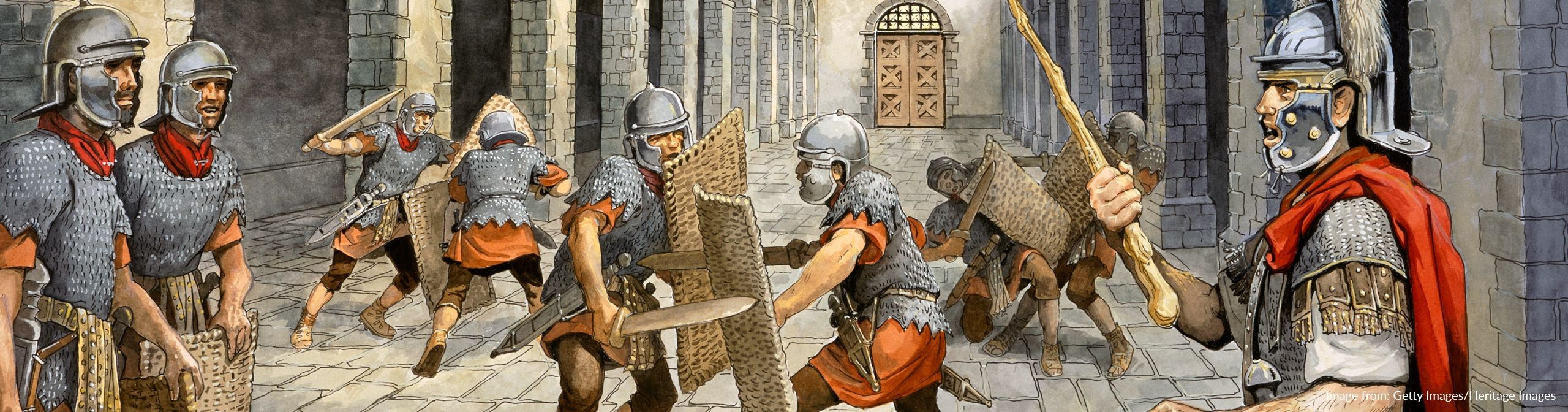
Romans and the Roman Empire (KS2)
Teaching the Romans at KS2? From the founding of Rome to the invasion of Britain, the might of the Roman army, and a legacy still visible in our roads and towns today, it’s one of the richest topics in the KS2 history curriculum. Here’s what the curriculum expects, and the lessons and resources to help you teach it.
What children learn about the Romans at KS2
What the national curriculum expects
The KS2 history curriculum asks pupils to study the Roman Empire and its impact on Britain. The curriculum’s own examples point to Julius Caesar’s attempted invasion in 55 to 54 BC, the Roman Empire by AD 42 and the power of its army, the successful invasion under Claudius and the conquest that followed including Hadrian’s Wall, British resistance such as Boudica, and the Romanisation of Britain through technology, culture and beliefs including early Christianity.
Key knowledge and concepts
Within this topic, children build knowledge across the rise of Rome, its reach into Britain, and what it left behind:
The founding of Rome
How Rome began, and the story it told about itself
The Roman Empire
How Rome grew, and how far its power reached
The Roman army
How it was organised, and why it was so effective
Invasion of Britain
From Caesar's attempts to the conquest under Claudius
British resistance
Boudica's rebellion, and the fight against Roman rule
Everyday life in Roman Britain
Homes, food, work and towns under Roman rule
Romanisation
How roads, buildings, culture and beliefs changed Britain
Roman legacy
Roman withdrawal, and what survives in Britain today
Where this topic sits within KS2
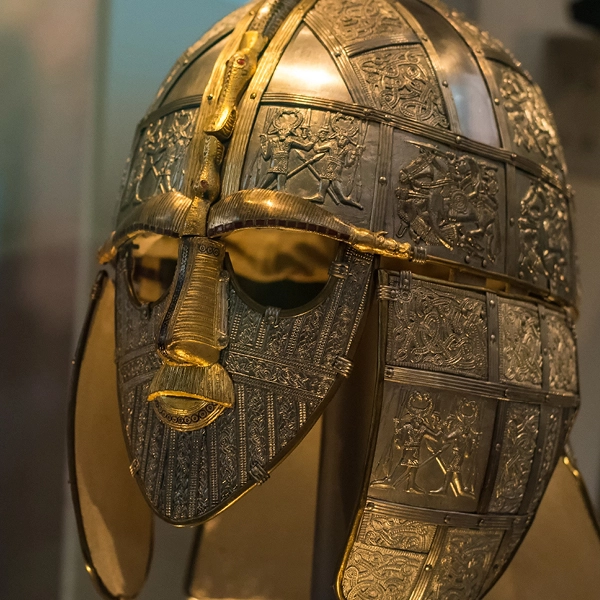
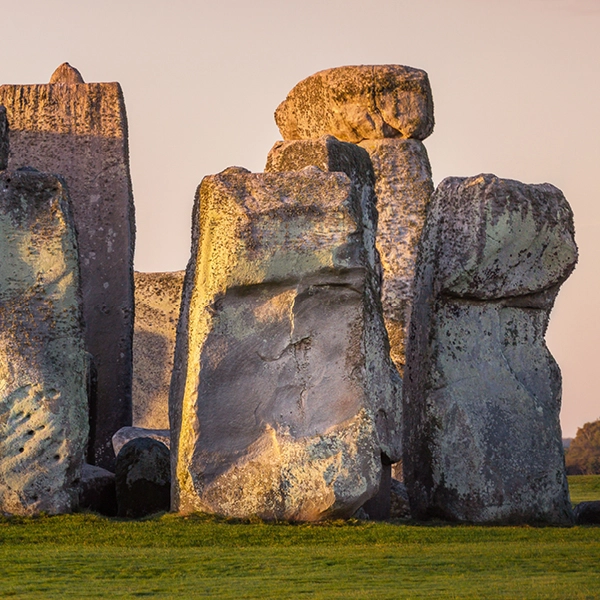
The National Curriculum doesn’t set a year group for the Romans. It sits within the wider KS2 history sequence, following Stone Age to Iron Age and coming before Britain’s settlement by the Anglo-Saxons. Many schools place it in Year 3 or Year 4.
How to access this topic
The Romans don’t sit on their own in the curriculum. The Cornerstones history curriculum is fully sequenced from EYFS through Year 1 to Year 6, so you can see what comes before, what follows and how the whole picture fits together. We’ve done the thinking, so your planning time goes into teaching, not sequencing.
Full curriculum
Subject curriculum
Quick Teach Individual lessons and resources for supplementing what you already teach.
Ready to bring the wider curriculum to life?
See how the full Cornerstones History Curriculum sequences topics like this one across every year group.