Ancient Greece (KS2)
Teaching ancient Greece at KS2? From city states and democracy to the ancient Greek Olympics, Greek gods and mythology, and great philosophers, this is a topic that never runs short of ways to hook a class. Here’s what the curriculum expects, and the lessons and resources to help you teach it.
What children learn about ancient Greece at KS2
What the national curriculum expects
Ancient Greece has its own place in the KS2 history curriculum, separate from the earliest civilisations. Pupils should study Greek life and achievements, and how they went on to influence the western world. That covers the sweep of Greek history, from its earliest periods through to its lasting legacy, alongside specific achievements such as democracy, philosophy and the arts that still shape life today.
Key knowledge and concepts
Within this topic, children build knowledge across the periods, people and ideas that defined ancient Greece:
Minoans and Mycenaeans to Hellenistic Greece
How Greek civilisation developed, from its earliest periods to its later empire
City states and democracy
How Athens and other city states were governed, and where democracy began
Greek gods and mythology
The gods worshipped, and the myths and stories built around them
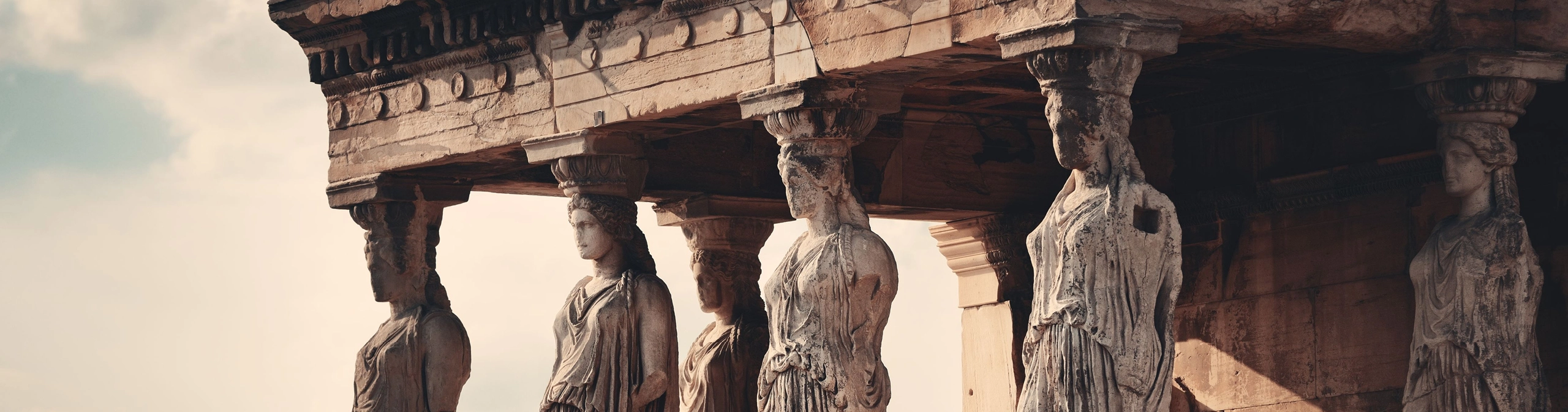
The Acropolis
Athens' most famous monument, and what it reveals about Greek life
Great Athenians
Philosophers, thinkers and leaders who shaped Greek society
Alexander the Great
His conquests, and the empire he built
The ancient Greek Olympics
Where the games began, and their journey to the modern Olympics
Legacy
What ancient Greece left behind, and how it still shapes the modern world
Where this topic sits within KS2
Ancient Greece is a required topic across KS2 rather than one placed in a single year group. Many schools introduce it in Year 3, then return to it in more depth in Year 5, giving pupils an early taste of Greek life before building towards its lasting legacy.
How to access this topic
Ancient Greece doesn’t sit on its own in the curriculum. The Cornerstones history curriculum is fully sequenced from EYFS through Year 1 to Year 6, so you can see what comes before, what follows and how the whole picture fits together. We’ve done the thinking, so your planning time goes into teaching, not sequencing.
Full curriculum
Subject curriculum
Quick Teach Individual lessons and resources for supplementing what you already teach.
Ready to bring the wider curriculum to life?
See how the full Cornerstones History Curriculum sequences topics like this one across every year group.