
Plants (KS1 – KS2)
Plants is one of the most practical topics in primary science, and one children can investigate with their own hands. From naming plant parts in Year 1 to investigating germination, pollination and seed dispersal in Year 3, here’s what the curriculum expects and where to find lessons and resources to teach it.
What children learn about plants at KS1 and KS2
What the national curriculum expects
Plants appears in Years 1, 2 and 3. Year 1 covers identifying and naming common wild and garden plants including deciduous and evergreen trees, and describing the basic structure of common flowering plants. Year 2 covers how seeds and bulbs grow into mature plants, and how plants need water, light and a suitable temperature to grow and stay healthy. Year 3 covers the functions of the different parts of flowering plants, what plants need for life and growth, how water is transported within plants, and the part flowers play in the life cycle including pollination, seed formation and seed dispersal.
Key knowledge and concepts
Within this topic, children build knowledge across what plants are, what they need, and how they reproduce:
Naming plants
Identifying common wild and garden plants, including trees
Parts of a plant
Roots, stem or trunk, leaves and flowers, and what each one does
What plants need to grow
Air, light, water, nutrients from soil, and room to grow
Germination
How seeds and bulbs grow into mature plants
Water transport
How water moves through a plant, and how to investigate it
Pollination
The part flowers play in the life cycle of flowering plants
Seed dispersal
How seeds travel, and why that matters for the plant
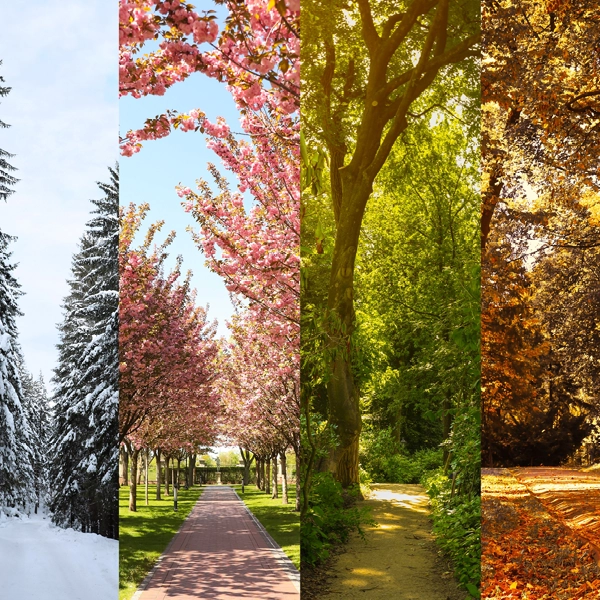
Deciduous and evergreen
How different trees respond to the changing seasons
Where this topic sits within KS1 and KS2
Plants appears in Years 1, 2 and 3, building from naming and observing towards investigating how plants actually work. It doesn’t appear again as its own strand after Year 3, though plant knowledge feeds into Living things and Evolution and inheritance later in KS2.
How to access this topic
Plants don’t sit on their own in the curriculum. The Cornerstones science curriculum is fully sequenced from EYFS through Year 1 to Year 6, so you can see what comes before, what follows and how the whole picture fits together. We’ve done the thinking, so your planning time goes into teaching, not sequencing.
Full curriculum
Subject curriculum
Quick Teach Individual lessons and resources for supplementing what you already teach.
Ready to bring the wider curriculum to life?
See how the full Cornerstones Science Curriculum sequences topics like this one across every year group.