
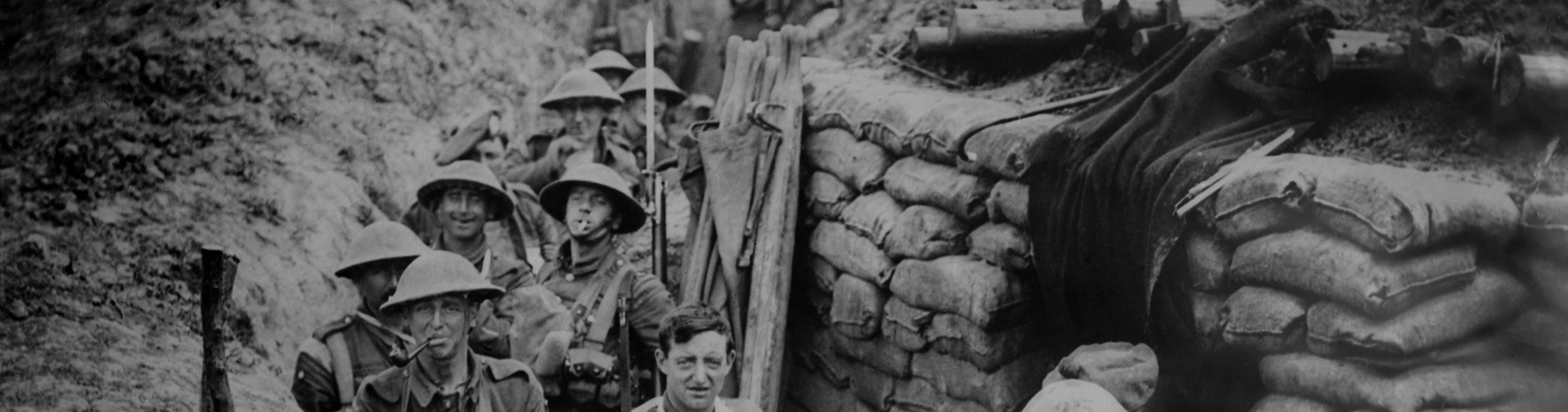
World War One (KS2)
Teaching the First World War at KS2? It’s one of the most powerful topics in primary history, and one where children genuinely engage with difficult ideas. From the causes and life in the trenches to propaganda, rationing and remembrance, here’s what to teach and the lessons and resources to help you teach it.
What children learn about World War One at KS2
What the national curriculum expects
The First World War isn’t named specifically in the KS2 history curriculum. It’s taught under the strand that asks pupils to study an aspect or theme in British history that extends their chronological knowledge beyond 1066. That strand gives schools real freedom, and the curriculum’s own examples include changes in social history and significant turning points in British history. What the curriculum does require throughout KS2 is that pupils address questions of change, cause, similarity and difference, and significance, and understand how our knowledge of the past is built from sources. The First World War is well suited to all of it.
Key knowledge and concepts
Within this topic, children build knowledge across why the war happened, what it was like, and how it’s remembered:
Causes of the war
Why war broke out in 1914
Timelines and chronology
The order of events, and how the war unfolded
Life in the trenches
Conditions on the Western Front, and daily life for soldiers
The home front
Rationing, work and how life changed in Britain
Propaganda
How posters and messages were used to shape opinion
Significant people
Individuals whose stories shaped or reflected the war
Sources and evidence
Diaries, letters, poetry, photographs and artwork
Remembrance
The poppy, Armistice Day, and why we still mark it
Where this topic sits within KS2
The National Curriculum doesn’t set a year group. Because it sits in the open beyond-1066 strand, schools place it where it suits their long-term plan, most often in Year 5 or Year 6 where children can handle the subject matter with more maturity. It’s frequently timed to coincide with Remembrance in November.
How to access this topic
World War One doesn’t sit on its own in the curriculum. The Cornerstones history curriculum is fully sequenced from EYFS through Year 1 to Year 6, so you can see what comes before, what follows and how the whole picture fits together. We’ve done the thinking, so your planning time goes into teaching, not sequencing.
Full curriculum
Subject curriculum
Quick Teach Individual lessons and resources for supplementing what you already teach.
Ready to bring the wider curriculum to life?
See how the full Cornerstones History Curriculum sequences topics like this one across every year group.