
What children learn about maps at KS1 and KS2
What the national curriculum expects
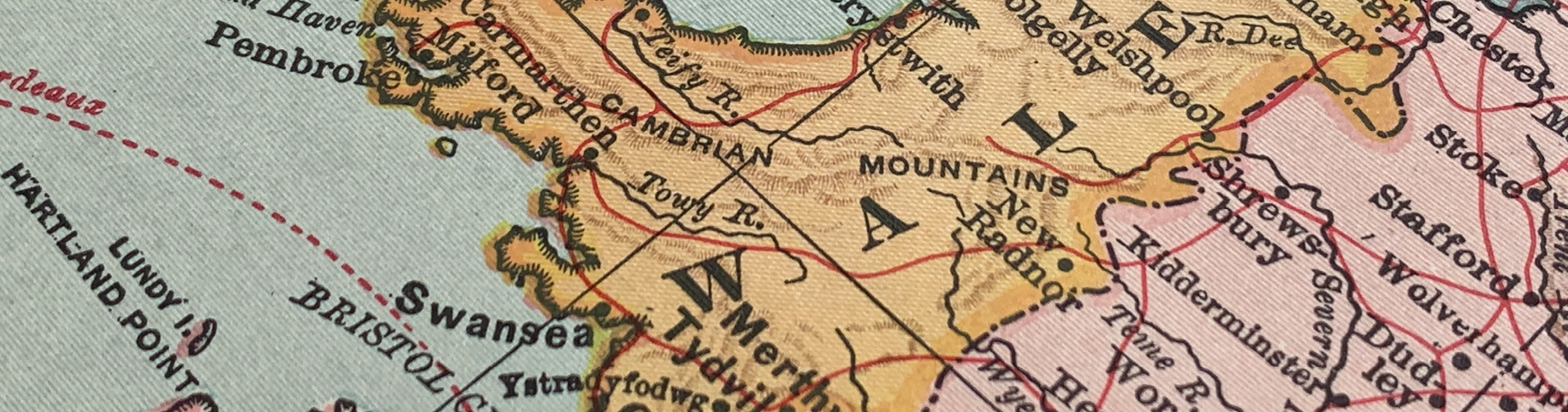
Map skills appear in both key stages under geographical skills and fieldwork. At KS1, pupils should use world maps, atlases and globes to identify the UK and the countries, continents and oceans studied, use simple compass directions and directional language, and use aerial photographs and plan perspectives to recognise landmarks, devise a simple map and construct basic symbols in a key. At KS2, pupils should use maps, atlases, globes and digital mapping to locate countries and describe features, and use the eight points of a compass, four and six-figure grid references, symbols and key including Ordnance Survey maps.
Key knowledge and concepts
Within this topic, children build map skills that develop year on year:
Maps, globes and atlases
Choosing the right tool, and finding places on each
Compass directions
From the four cardinal points to all eight
Picture maps and plan view
Seeing places from above, and drawing simple maps
Symbols and keys
Reading and building the shorthand maps use
Four-figure grid references
Locating a square on a map
Six-figure grid references
Locating a precise point
Ordnance Survey maps
Reading the maps used across the UK
Latitude and longitude
Locating anywhere on Earth, and understanding time zones
Where this topic sits within KS1 and KS2
Map skills aren’t taught as a single unit. They run through the whole geography curriculum from Year 1 to Year 6, developing from simple directional language towards precise grid references and digital mapping. Most schools teach map skills alongside other geography topics rather than in isolation.
How to access this topic
Maps don’t sit on their own in the curriculum. The Cornerstones geography curriculum is fully sequenced from EYFS through Year 1 to Year 6, so you can see what comes before, what follows and how the whole picture fits together. We’ve done the thinking, so your planning time goes into teaching, not sequencing.
Full curriculum
Subject curriculum
Quick Teach Individual lessons and resources for supplementing what you already teach.
Ready to bring the wider curriculum to life?
See how the full Cornerstones Geography Curriculum sequences topics like this one across every year group.