
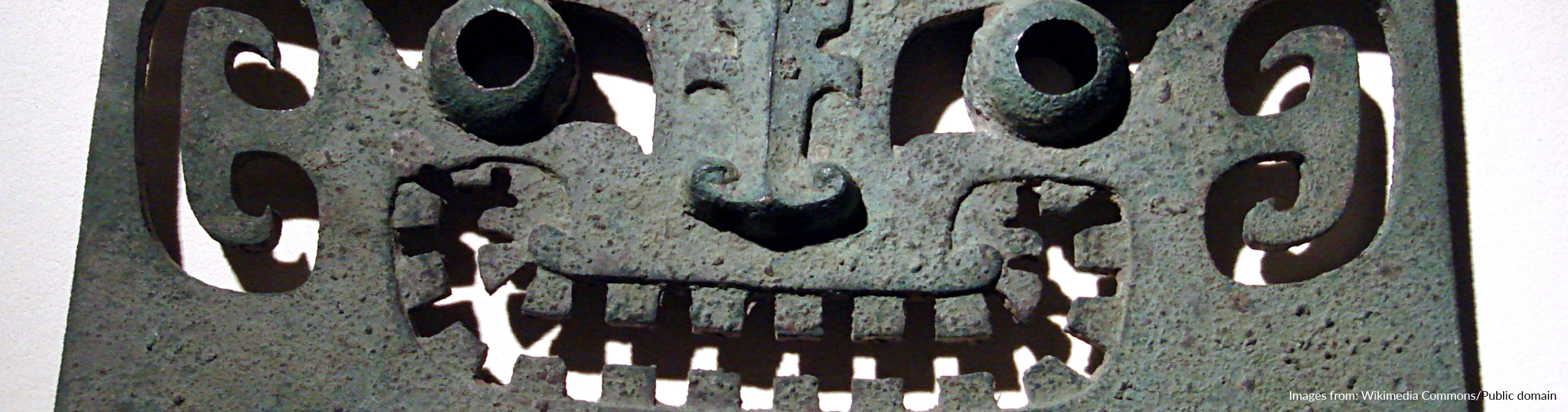
Shang Dynasty (KS2)
Teaching the Shang Dynasty at KS2? It’s the least commonly chosen of the four early civilisation depth studies, which makes it a genuine point of difference for a school. Oracle bones, bronze casting, jade and silk, and a society we know about largely through what it buried. Here’s what the curriculum expects, and the lessons and resources to help you teach it.
What children learn about the Shang Dynasty at KS2
What the national curriculum expects
The Shang Dynasty of Ancient China is one of four civilisations named in the KS2 history curriculum for a depth study, alongside Ancient Sumer, the Indus Valley and Ancient Egypt. Pupils should also get an overview of where and when the first civilisations appeared. Beyond that, there’s no fixed content list, so schools decide how far to go, so long as pupils understand what made Shang society significant and how it compares with the other early civilisations.
Key knowledge and concepts
Within this topic, children build knowledge across the people, beliefs and achievements of Shang China:
Ancient China
Where and when the Shang Dynasty ruled, and what came before it
Oracle bones
China's earliest writing, and what it was used for
Bronze working
The craft the Shang are best known for, and what it was for
Power and social hierarchy
Kings, nobles and everyone else in Shang society
Religious beliefs
Ancestors, ritual and the role of belief in Shang life
Jade and silk
Two materials that shaped Shang trade and status
Warfare
Weapons, chariots and how the Shang held power
Legacy and decline
The end of the Shang Dynasty, and what followed
Where this topic sits within KS2
The National Curriculum doesn’t set a year group for the Shang Dynasty. It’s one of the four early civilisation depth study options, so it usually sits wherever a school teaches ancient civilisations, commonly Year 4.
How to access this topic
The Shang Dynasty doesn’t sit on its own in the curriculum. The Cornerstones history curriculum is fully sequenced from EYFS through Year 1 to Year 6, so you can see what comes before, what follows and how the whole picture fits together. We’ve done the thinking, so your planning time goes into teaching, not sequencing.
Full curriculum
Subject curriculum
Quick Teach Individual lessons and resources for supplementing what you already teach.
Ready to bring the wider curriculum to life?
See how the full Cornerstones History Curriculum sequences topics like this one across every year group.