
Vikings and Anglo-Saxons (KS2)
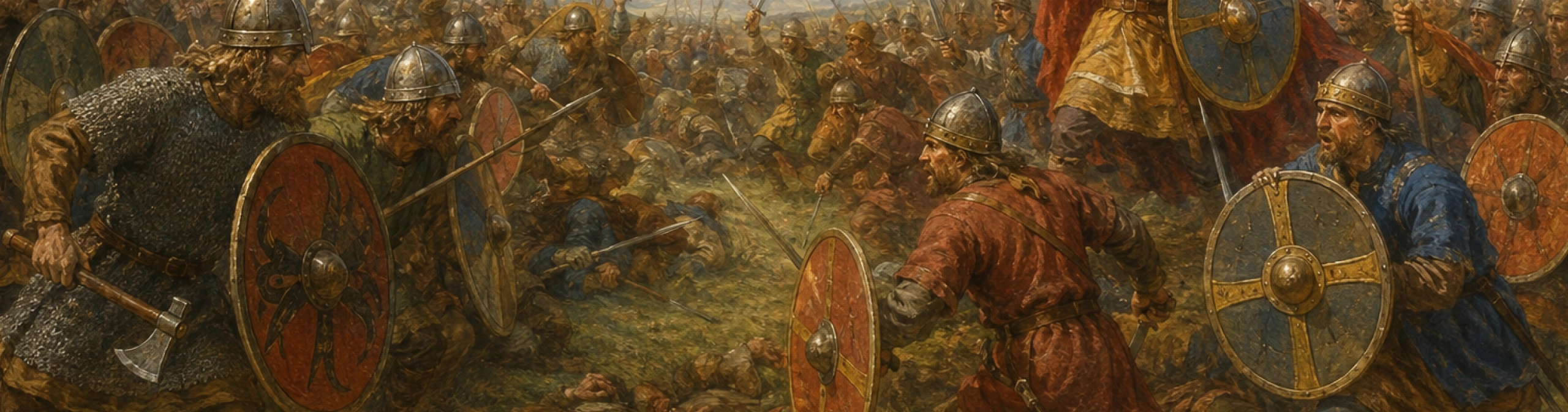
Teaching the Anglo-Saxons and Vikings together? This is the story of two peoples competing for the same land, and it’s the framing the National Curriculum itself uses. Here’s what the curriculum expects on the struggle for the Kingdom of England, and the lessons and resources to help you teach it.
What children learn about the Vikings and Anglo-Saxons at KS2
What the national curriculum expects
The National Curriculum treats this as a single strand: the Viking and Anglo-Saxon struggle for the Kingdom of England to the time of Edward the Confessor. It sits alongside a separate, earlier strand on Britain’s settlement by Anglo-Saxons and Scots. Together they cover the arrival of the Anglo-Saxons after the Roman withdrawal, the Viking raids and invasions that followed, the resistance that held them off, and the events that led to 1066.
Key knowledge and concepts
Within this topic, children build knowledge across how these two peoples clashed, compared and eventually shaped one nation:
Roman withdrawal and Anglo-Saxon arrival
Why Britain changed hands after AD 410
Chronology of invasion
The order of events, from Anglo-Saxon settlement to 1066
Comparing everyday life
How Anglo-Saxon and Viking daily life were alike and different
Beliefs and customs
Pagan and Christian belief across both peoples
Kingdoms and territory
How Britain was divided, and where the Danelaw sat
Resistance and rule
Alfred the Great, Athelstan, and the making of one kingdom
Edward the Confessor
The last Anglo-Saxon king, and his death in 1066
The Norman invasion
What 1066 brought to an end
Where this topic sits within KS2
The National Curriculum doesn’t set a year group for this topic. It sits within the wider KS2 history sequence, usually after the Romans, and is often taught as one combined unit rather than as two separate ones. Many schools place it in Year 4.
How to access this topic
The Vikings and Anglo-Saxons don’t sit on their own in the curriculum. The Cornerstones history curriculum is fully sequenced from EYFS through Year 1 to Year 6, so you can see what comes before, what follows and how the whole picture fits together. We’ve done the thinking, so your planning time goes into teaching, not sequencing.
Full curriculum
Subject curriculum
Quick Teach Individual lessons and resources for supplementing what you already teach.
Ready to bring the wider curriculum to life?
See how the full Cornerstones History Curriculum sequences topics like this one across every year group.