
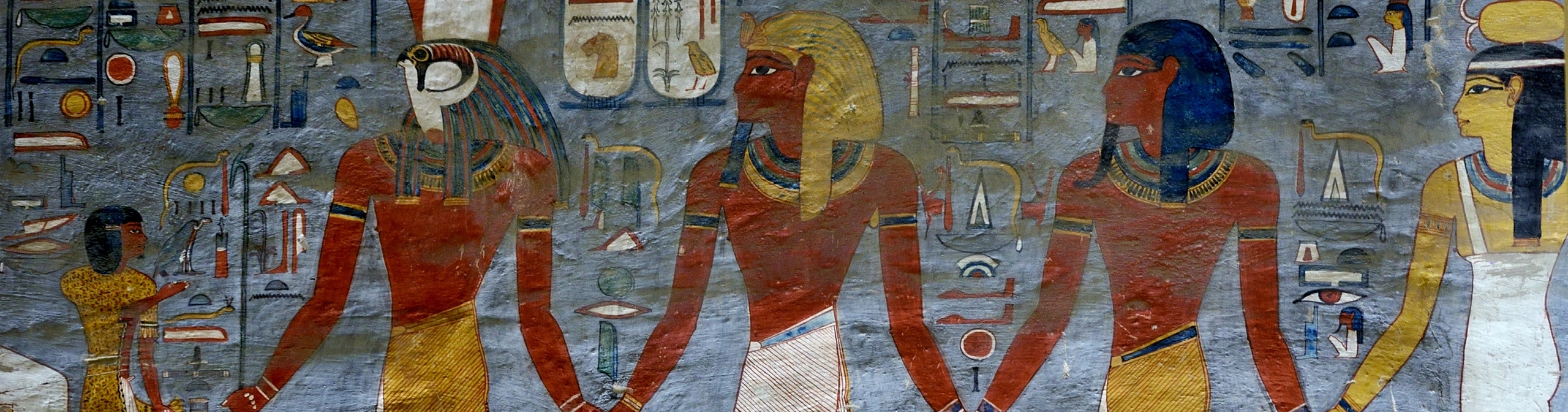
Ancient Egypt (KS2)
Teaching ancient Egypt at KS2? This is one topic that never fails to capture a class’s imagination, from the pyramids and pharaohs to hieroglyphics and the mysteries of mummification. It’s one of the National Curriculum’s named depth studies for early civilisations, and here’s what to teach, plus the lessons and resources to help you teach it.
What children learn about ancient Egypt at KS2
What the national curriculum expects
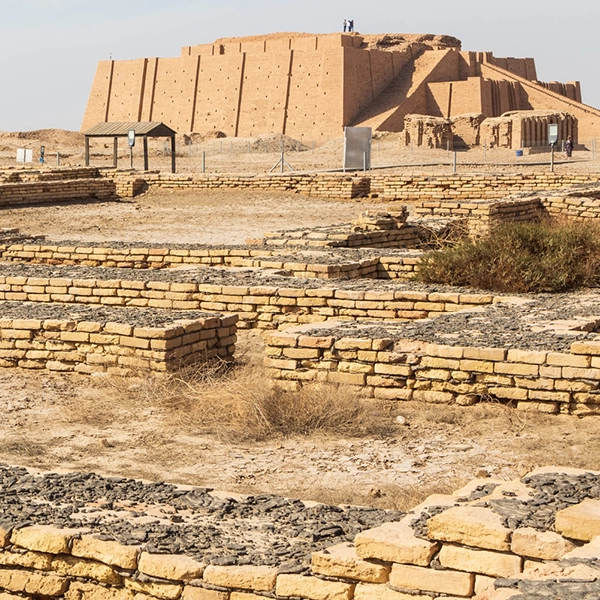
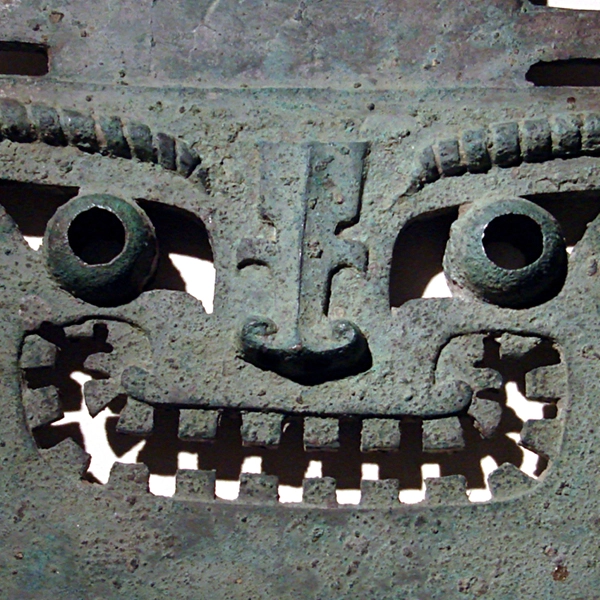
Ancient Egypt is one of four civilisations named in the KS2 history curriculum for a depth study, alongside Ancient Sumer, the Indus Valley civilisation, and the Shang Dynasty of Ancient China. Pupils should also get an overview of where and when the first civilisations appeared, so a school choosing ancient Egypt for its depth study can still touch on how it compares with the others. Beyond that, there’s no fixed content list. Schools decide how far to go and what to prioritise, so long as pupils come away understanding what made ancient Egyptian society significant.
Key knowledge and concepts
Within this topic, children build knowledge across the key people, beliefs and everyday life of ancient Egypt:
Geography and the Nile
Why the River Nile was so important to ancient Egypt, and how it shaped where people lived
Pharaohs and hierarchy
Who held power, and how Egyptian society was structured
Gods and beliefs
The gods worshipped, and how belief shaped daily and public life
Daily life
Homes, food, work and family in ancient Egypt
Hieroglyphics
Egypt's writing system, and how it's been read and understood
Mummification and the afterlife
Beliefs about death, and how bodies were prepared for it
Pyramids and monuments
How and why they were built
Tutankhamun and artefacts
The discovery of Tutankhamun's tomb, and how objects like these help us understand the past
Where this topic sits within KS2
The National Curriculum doesn’t set a year group for ancient Egypt. Like the other early civilisations, it’s one strand within the whole KS2 history programme, sitting alongside Stone Age to Iron Age, the Roman Empire, and Britain’s settlement by the Anglo-Saxons and Scots. Many schools introduce ancient Egypt as part of a broader overview of early civilisations, then return to it in more depth later in KS2.
How to access this topic
Ancient Egypt doesn’t sit on its own in the curriculum. The Cornerstones history curriculum is fully sequenced from EYFS through Year 1 to Year 6, so you can see what comes before, what follows and how the whole picture fits together. We’ve done the thinking, so your planning time goes into teaching, not sequencing.
Full curriculum
Subject curriculum
Quick Teach Individual lessons and resources for supplementing what you already teach.
Ready to bring the wider curriculum to life?
See how the full Cornerstones History Curriculum sequences topics like this one across every year group.