
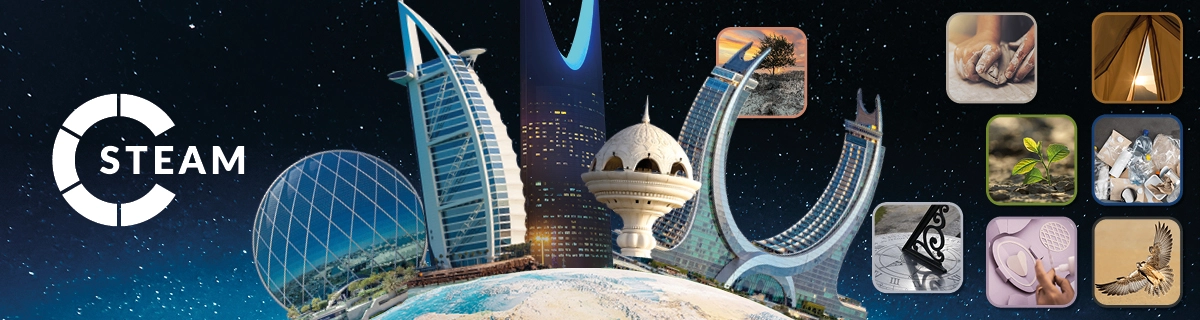
Grounding curriculum in real Middle Eastern classrooms and culture
Curriculum design becomes much easier and far more meaningful when it’s rooted in real places, real classrooms and real conversations. That belief has shaped every stage of the primary STEAM programme I’ve been developing, which is designed specifically to align with Middle Eastern cultural values, environments, and educational priorities.
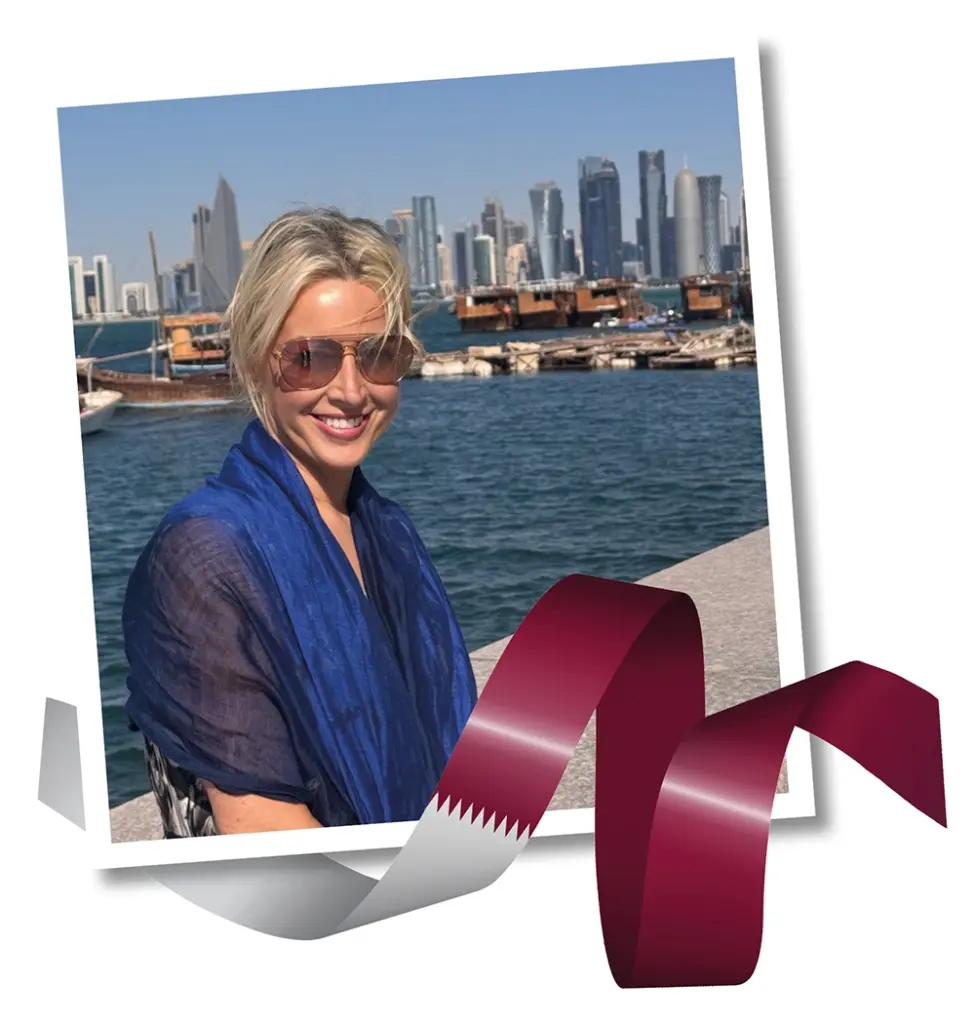
One of the most important decisions I made early on was to go to the region. Spending time in schools, talking to teachers and senior leaders, and immersing myself in the culture made the writing process clearer and more focused. It removed the guesswork. Instead of imagining what might work, I could listen to what teachers actually needed, what children recognised from their everyday lives, and what schools realistically had time and capacity to deliver.
Listening to teachers and reducing adaptation burden
Those visits changed the way the curriculum came together. Teachers spoke honestly about workload, about adapting schemes that don’t quite fit, and about how often planning has to be reworked to make it relevant to children. Because of those conversations, the curriculum has been written to be specific by design. The aim is for teachers to be able to pick it up and teach it without constantly adapting the content, rewriting examples, or sourcing alternative resources.
A number of schools in the region are already piloting the curriculum, and the feedback so far has been really encouraging. Teachers are particularly valuing the platform itself, especially having planning, resources, videos and presentations all in one place. That coherence matters. It saves time, reduces stress, and allows teachers to focus on teaching rather than on administrative tasks.
In terms of content, the curriculum fully covers the British primary science curriculum, while also integrating substantial elements of design technology, art and engineering. As part of the feedback process, we’re now adding more mathematics, ensuring there are even more opportunities for children to use and apply maths in scientific, artistic or technological contexts.
Designed for practicality and affordability
From the outset, this has been a curriculum designed with practicality firmly in mind. I heard from many teachers that despite the ambition to have investigation at the heart of the science curriculum, particularly, the expense of resourcing it was prohibitive. So in this curriculum, I encourage schools to use everyday items, including recycled materials, which makes resourcing the curriculum much easier and more affordable. It was important to me that there was no expectation that schools constantly buy new or specialist equipment; sustainability applies to budgets as well as values.
Quality and accuracy have also been non-negotiable, as with anything we produce at Cornerstones. I’ve worked with subject experts throughout the process to ensure the content is robust and trustworthy. For example, the heart and circulation project was reviewed and ratified by a heart surgeon, ensuring scientific accuracy at every stage. Everything is fact-checked, and no AI-generated content has been used, meaning teachers don’t need to second-guess or verify what they’re teaching. Despite the wonderful things AI can do, I’m still a little sceptical of teachers using it to create teaching resources, as in my experience, it still contains errors and misconceptions that we need to be wary of.
While the curriculum includes videos and presentations, it’s been carefully designed to avoid death by PowerPoint. Learning is driven by practical scientific enquiry, creative challenges and hands-on problem-solving, and children are encouraged to think, test, design, build and reflect, aligning with the Four Cornerstones of Learning, which underpins all of my work.
Sustainability runs as a strong thread throughout the curriculum. For example, projects explore mangrove ecosystems, recycling, environmental responsibility, and creating art or structures from recycled materials. These aren’t add-ons; they’re integral to the curriculum and closely connected to the local environment and global challenges children are growing up with.
The next phase: Expanded pilots in Dubai
The next phase of development focuses on returning to Dubai to identify a select group of schools where further pilots will take place. Pilot schools will have free access to the curriculum, alongside support from my EYFS colleague (the curriculum runs from 3–11) and me. In exchange, the schools, teachers and senior leaders will play an active role in shaping the curriculum further through candid feedback. This collaborative approach reflects a simple belief of mine: the best curricula are built with teachers, not just for them.
STEAM plays an increasingly important role in Middle Eastern education policy, supporting the wider ambition of a knowledge-based, innovative economy. This curriculum is one small but purposeful step in that direction, helping children develop scientific understanding, creativity and problem-solving skills from an early age, in ways that feel relevant and meaningful.
Designing this curriculum has reinforced something I strongly believe, that when you take the time to understand place, people and purpose, curriculum writing becomes not only easier, but far more powerful.
If you are interested in piloting the STEAM curriculum, contact me to discuss. I’ll be in Dubai from the 16th April until 29th April 2026 and would be happy to visit any interested schools to discuss opportunities.
If you’re based in the Middle East, please follow our brand-new Instagram page to stay fully up to date with our latest news, curriculum developments, and free CPD opportunities.
Written by Melanie Moore
CEO of Cornerstones Education
Want to try our materials for yourself?
Download our Ramadan Resource Pack for free. This ready-to-use pack includes high quality activities and resources to help you teach your children about Ramadan.