
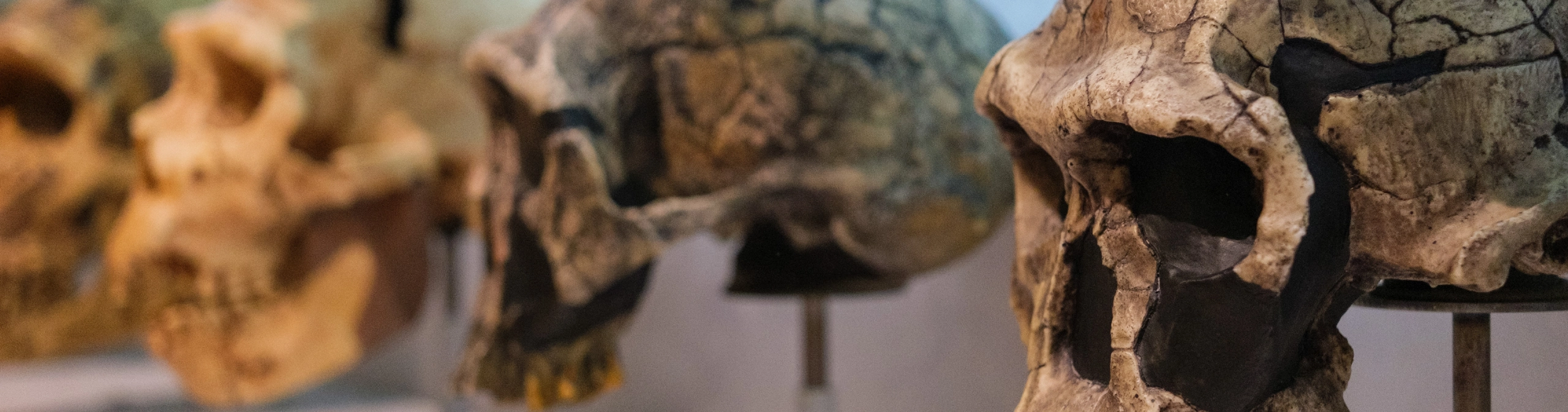
Evolution and inheritance (Y6)
Evolution and inheritance is where primary science asks its biggest question: how did living things come to be as they are? From fossils and adaptation to natural selection and Darwin’s own work, here’s what the Year 6 curriculum expects and where to find lessons and resources to teach it.
What children learn about evolution and inheritance in Year 6
What the national curriculum expects
Evolution and inheritance is taught in Year 6. Pupils should recognise that living things have changed over time and that fossils provide information about living things that inhabited the Earth millions of years ago. They should recognise that living things produce offspring of the same kind, but that offspring normally vary and are not identical to their parents. They should also identify how animals and plants are adapted to suit their environment in different ways, and that adaptation may lead to evolution.
Key knowledge and concepts
Within this topic, children build knowledge across how living things change and why:
Fossils and deep time
What fossils tell us about life millions of years ago
Inheritance
Why offspring resemble their parents but aren't identical
Variation
Continuous and discontinuous variation, and how to spot both
Adaptation
How animals and plants suit the environments they live in
Natural selection
How advantageous traits become more common over time
Charles Darwin
The scientist behind the theory, and the evidence he gathered
Evolutionary trees
How diagrams show the connections between species
Artificial selection
How humans have shaped plants and animals deliberately
Where this topic sits within KS2
Evolution and inheritance is taught in Year 6, alongside Living things, Animals including humans, Light and Electricity. It builds directly on the Year 6 classification work, and the two are often taught together.
How to access this topic
Evolution and inheritance doesn’t sit on its own in the curriculum. The Cornerstones science curriculum is fully sequenced from EYFS through Year 1 to Year 6, so you can see what comes before, what follows and how the whole picture fits together. We’ve done the thinking, so your planning time goes into teaching, not sequencing.
Full curriculum
Subject curriculum
Quick Teach Individual lessons and resources for supplementing what you already teach.

Ready to bring the wider curriculum to life?
See how the full Cornerstones Science Curriculum sequences topics like this one across every year group.