
Forces and magnets (Y3)
Forces and magnets is a Year 3 topic built almost entirely on investigation. Children push, pull, test surfaces and discover that some forces work without anything touching at all. Here’s what the curriculum expects, and where to find lessons and resources to teach it.
What children learn about forces and magnets in Year 3
What the national curriculum expects
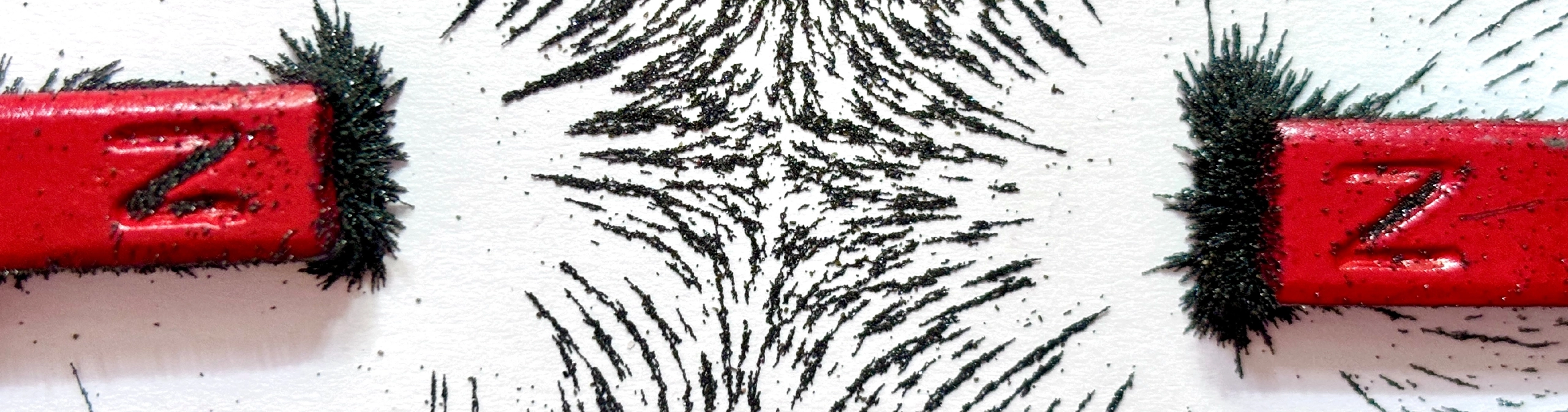
Forces and magnets is taught in Year 3. Pupils should compare how things move on different surfaces, notice that some forces need contact between two objects while magnetic forces act at a distance, observe how magnets attract or repel each other and attract some materials and not others, compare and group materials on the basis of whether they’re attracted to a magnet, describe magnets as having two poles, and predict whether two magnets will attract or repel depending on which poles are facing.
Key knowledge and concepts
Within this topic, children build knowledge across how things move and how magnets behave:
Pushing and pulling
The forces children can feel and see for themselves
Contact forces
Forces that need two objects to touch
Friction
How surfaces affect movement, and how to test it
Forces at a distance
Why magnetism works without contact
Magnetic materials
Which materials a magnet attracts, and which it doesn't
Magnetic poles
Why magnets have two ends, and what that means
Attraction and repulsion
Predicting what happens when two magnets meet
Uses of friction and magnetism
Where both show up in everyday life
Where this topic sits within KS2
Forces and magnets is taught in Year 3, alongside Plants, Animals including humans, Rocks and Light. Forces return in Year 5 with gravity, air and water resistance, and mechanisms including levers, pulleys and gears.
How to access this topic
Forces and magnets don’t sit on their own in the curriculum. The Cornerstones science curriculum is fully sequenced from EYFS through Year 1 to Year 6, so you can see what comes before, what follows and how the whole picture fits together. We’ve done the thinking, so your planning time goes into teaching, not sequencing.
Full curriculum
Subject curriculum
Quick Teach Individual lessons and resources for supplementing what you already teach.


Ready to bring the wider curriculum to life?
See how the full Cornerstones Science Curriculum sequences topics like this one across every year group.