A curriculum that works across every pathway
The Fountains Primary School has been working with Cornerstones for six years. In that time, the curriculum has had to serve a wide range of learners, from pupils following a life-skills based programme through to those engaging in formal, subject-specific work. For any leader considering whether a structured curriculum can stretch that far, the school’s experience is worth hearing directly.
Go for it, we haven't looked back. It provides us with a range of projects and ideas to support our planning across our four curriculum pathways. We use it with our most complex pupils who follow a more bespoke life-skills based programme of study and with our functional pupils who engage in formal subject specific learning.
I really like it, the staff find it extremely beneficial as it has reduced workload and provides a basis for teachers to plan and deliver a broad range of exciting lessons across the curriculum.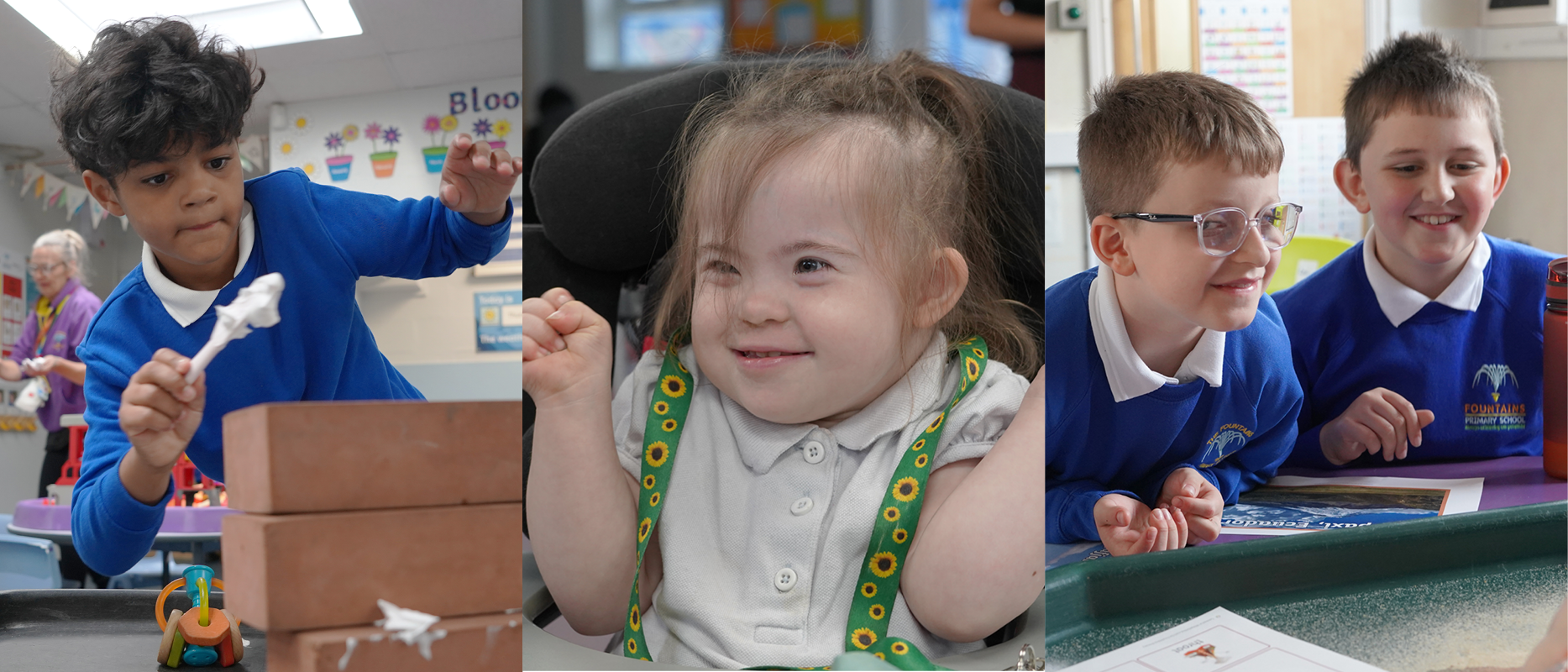
Adapting for the individual child
What a Cornerstones lesson looks like in practice at The Fountains will differ from child to child, sometimes within the same room. A single activity can hold multiple learning intentions depending on where each pupil is in their individual assessment, and teachers are clear about how to hold that complexity.
The learning outcome for this particular pupil could have been to develop their fine motor skills, however the target for another pupil may have been to listen to and follow simple instructions. It just depends on what stage the pupil is working at within their assessment.
Children might stay in the same class for 2 to 3 years. So I have to be mindful that they're not repeating content. That's when I've started to extract some of the more complex topics and adapt them to meet the abilities of the children in each particular class.
Meeting the whole child
Adapting a curriculum for SEND pupils is rarely just about academic content. The school thinks carefully about the full range of needs that any lesson must address, and frames that question in a way that keeps planning grounded and practical.
Simply consider the needs of your pupils from a holistic viewpoint. How can you adapt the curriculum content and what resources can you use to ensure that the learning, social, behavioural, sensory and communication needs of all your pupils are being met?
All classes have a memorable moment linked to their termly topic and this has been instrumental in helping our pupils to develop a strong cultural capital.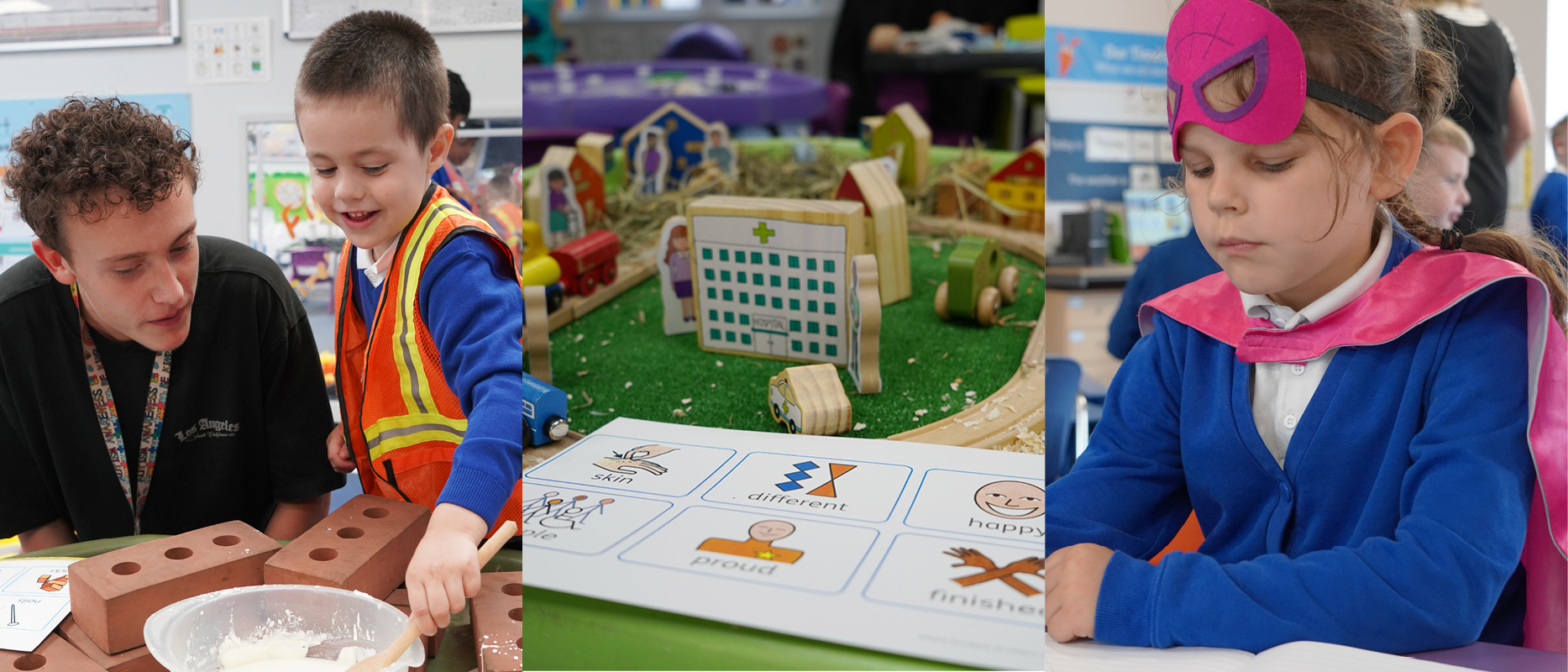
Summary
The Fountains Primary School’s experience is a reassuring one for any SEND leader who has wondered whether a structured curriculum can flex across very different learners.
The starting point is simply asking what each child actually needs, and then working out how the curriculum content and resources can meet those needs in full. That question applies whether a pupil is working on fine motor skills or engaging in formal subject learning, and the same framework can hold both. For other SEND schools navigating that same challenge, the Cornerstones curriculum on the digital platform Maestro is the perfect place to start.