
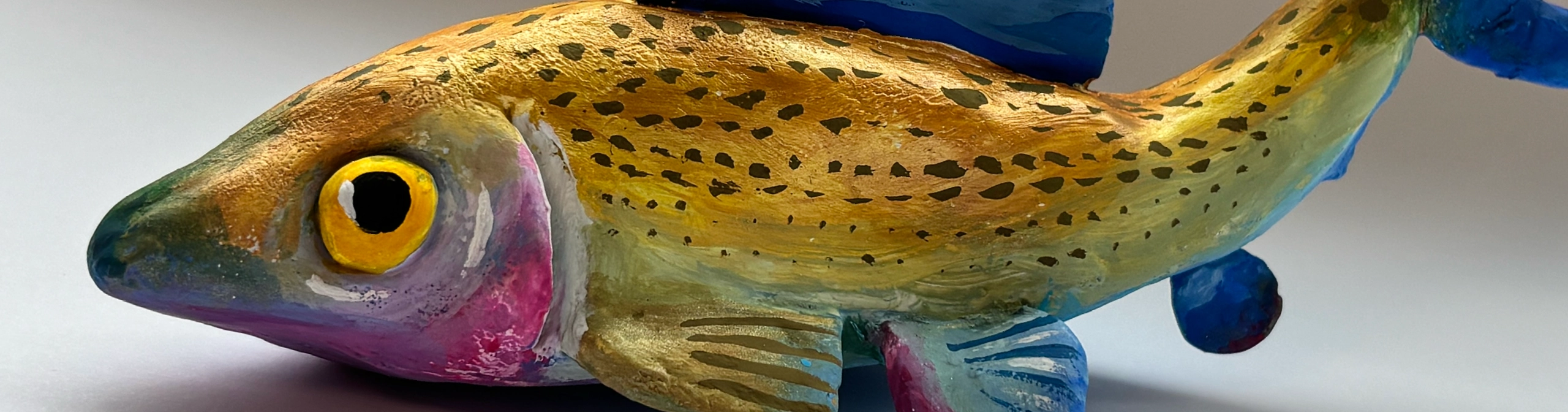
Sculpture (KS1 – KS2)
Sculpture is where art becomes something children can hold. From clay techniques and 3-D forms in KS1 to casting, environmental art and work inspired by ancient civilisations by Year 6, here’s what the curriculum expects and where to find lessons and resources to teach it.
What children learn about sculpture at KS1 and KS2
What the national curriculum expects
Sculpture is named directly in both key stages. At KS1, pupils should be taught to use drawing, painting and sculpture to develop and share their ideas, experiences and imagination, and to develop techniques in using colour, pattern, texture, line, shape, form and space. At KS2, pupils should improve their mastery of art and design techniques including drawing, painting and sculpture with a range of materials, for example pencil, charcoal, paint and clay.
Key knowledge and concepts
Within this topic, children build knowledge across working in three dimensions:
3-D forms
Understanding shape, form and space in three dimensions
Clay techniques
Working with clay, from pinching and coiling to slab building
Statues and figurines
Making figures, from statuettes to full statues
Casting
Making moulds and casts, and what the process allows
Building structures
Constructing and strengthening three-dimensional work
Environmental art
Making work from and about the natural world
Recycled materials
Using reused and repurposed materials in sculpture
Sculpture in history
Studying sculpture from ancient civilisations onwards
Where this topic sits within KS1 and KS2
Sculpture isn’t a single unit taught once. It runs across every year group from Year 1 to Year 6, developing from simple modelling towards casting, construction and work informed by significant artists and historical periods.
How to access this topic
Sculpture doesn’t sit on its own in the curriculum. The Cornerstones art and design curriculum is fully sequenced from EYFS through Year 1 to Year 6, so you can see what comes before, what follows and how the whole picture fits together. We’ve done the thinking, so your planning time goes into teaching, not sequencing.
Full curriculum
Subject curriculum
Quick Teach Individual lessons and resources for supplementing what you already teach.
Ready to bring the wider curriculum to life?
See how the full Cornerstones Art and Design Curriculum sequences topics like this one across every year group.