
Colour (KS1 – KS2)
Primary and secondary colours are often a child’s first real introduction to colour theory, and it’s just the start of what colour covers across the art and design curriculum. From colour mixing and the colour wheel in KS1, through to warm and cool colours and deeper colour theory by Year 6, here’s what the curriculum expects and where to find lessons and resources to teach it.
What children learn about colour at KS1 and KS2
What the national curriculum expects
Colour is named explicitly in the KS1 art and design curriculum, as one of the techniques pupils should develop alongside pattern, texture, line, shape, form and space. In KS2, colour isn’t named specifically. Instead the curriculum asks pupils to improve their mastery of art and design techniques more broadly, using a range of materials. In practice most schools continue building colour knowledge right through KS2, since it underpins so much of what pupils go on to create.
Key knowledge and concepts
Within this topic, children build knowledge across colour theory and how to use it in their own work:
Primary and secondary colours
The building blocks of colour, and how they combine
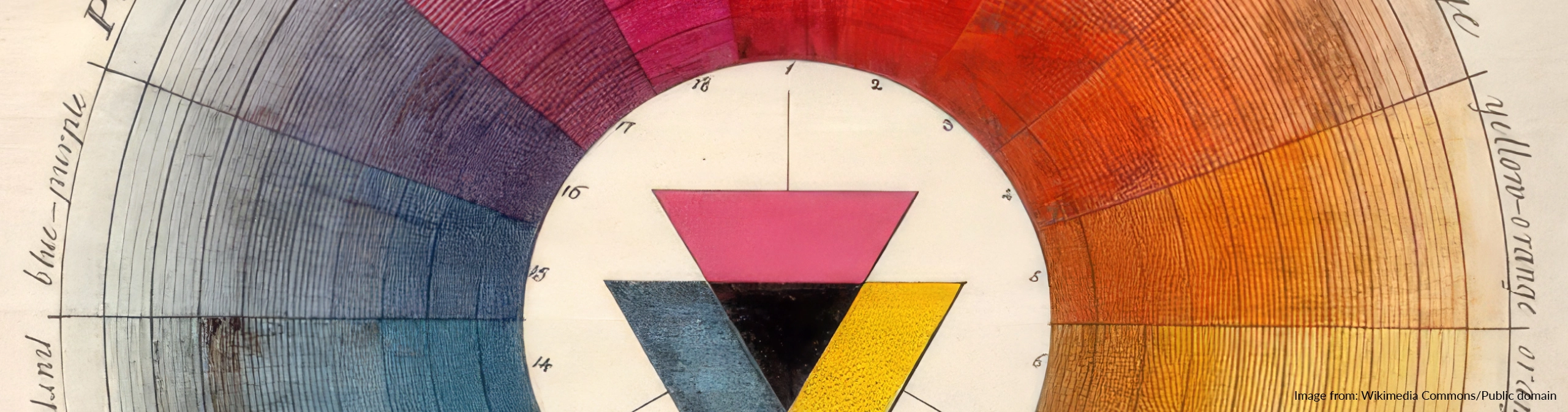
The colour wheel
How colours relate to each other, and how to use it
Colour mixing
Mixing and applying colour with different materials
Warm and cool colours
How colour affects mood and meaning in art
Tints, shades and tones
Lightening, darkening and softening colour
Colour theory
Complementary, analogous and tertiary colour families
Colour palettes
Building a palette, and what it does to a piece of work
Colour in art
How artists have used colour, and comparing their approaches
Where this topic sits within KS1 and KS2
Colour isn’t a single unit taught once. It runs across every year group from Year 1 to Year 6, with each year building on the last, from simple colour mixing in KS1 through to colour theory and personal style by the end of KS2.
How to access this topic
Colour doesn’t sit on its own in the curriculum. The Cornerstones art and design curriculum is fully sequenced from EYFS through Year 1 to Year 6, so you can see what comes before, what follows and how the whole picture fits together. We’ve done the thinking, so your planning time goes into teaching, not sequencing.
Full curriculum
Subject curriculum
Quick Teach Individual lessons and resources for supplementing what you already teach.


Ready to bring the wider curriculum to life?
See how the full Cornerstones Art and Design Curriculum sequences topics like this one across every year group.